






 Дом
Дом Продукты
29+ years in pharmaceutical machinery, covering capsule filling, tablet pressing, blister packaging, tablet and capsule counting, cartoning, GMP production, and overseas machine service.

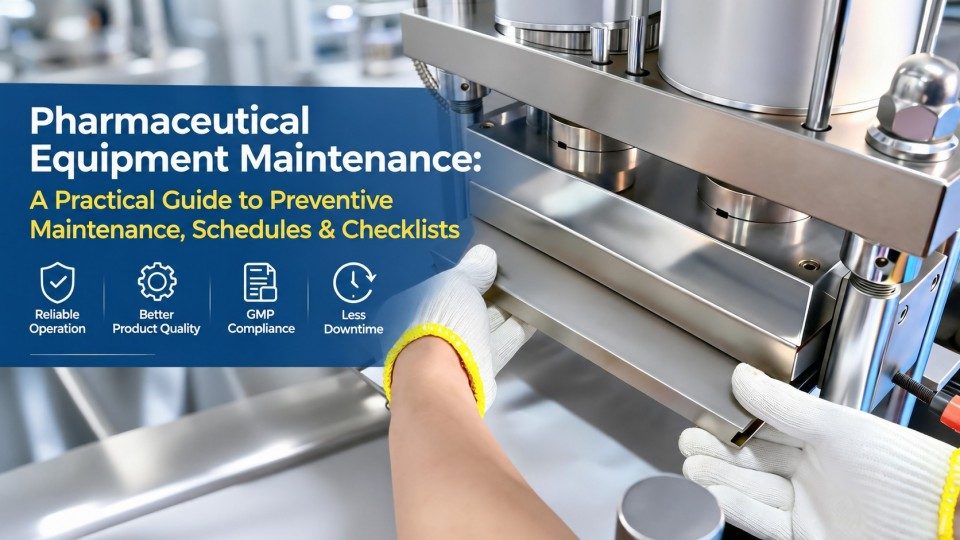
Техническое обслуживание фармацевтического оборудования — это организованная система осмотра, смазки, регулировки, замены деталей, мониторинга состояния и связанных с ними мер контроля, используемая для поддержания надежности производственной и упаковочной техники и ее пригодности к использованию по назначению. Наряду с очисткой, калибровкой и квалификацией техническое обслуживание помогает снизить риск незапланированных простоев, дефектов, связанных с оборудованием, рисков загрязнения и проблем с безопасностью.
В отличие от подхода с работой до отказа, структурированная программа технического обслуживания использует плановые задачи, состояние оборудования, историю эксплуатации и риски для определения того, что и когда следует проверять. В соответствии с GMP, техническое обслуживание также должно соответствовать утвержденным процедурам и надлежащим мерам контроля документации.
Техническое обслуживание фармацевтического оборудования охватывает механические, электрические, пневматические работы и операции по управлению, необходимые для обеспечения правильной работы производственных и упаковочных машин.
Типичные работы включают смазку движущихся компонентов, осмотр и замену быстроизнашивающихся деталей, таких как уплотнения, подшипники, ремни, кулачки и оснастка, проверку выравнивания, осмотр пневматических и вакуумных систем, тестирование устройств безопасности и расследование аномальной вибрации, шума, температуры или сигналов тревоги оборудования.
Техническое обслуживание связано с очисткой, калибровкой и квалификацией, но это не одно и то же:
FDA 21 CFR 211.67 требует, чтобы оборудование очищалось и обслуживалось с надлежащими интервалами для предотвращения неисправностей или загрязнения. Письменные процедуры должны определять обязанности, графики, методы и соответствующие меры контроля.
На практике техническое обслуживание фармацевтического оборудования обычно привлекает инженерные, производственные отделы и службы качества. Инженерная служба выполняет технические работы, операторы сообщают об аномальных состояниях, а система качества контролирует процедуры, отклонения, записи и приемку оборудования, где это необходимо.
Фармацевтические предприятия обычно используют несколько стратегий технического обслуживания совместно.
Профилактическое техническое обслуживание (ТО) — это плановая работа, выполняемая через определенные временные интервалы или интервалы наработки для снижения вероятности отказа.
Типичные задачи включают смазку, замену фильтров, осмотр ремней, осмотр уплотнений, проверку крепежа и тестирование устройств безопасности.
График должен учитывать не только календарную периодичность. К важным факторам относятся:
Прогнозируемое техническое обслуживание и обслуживание по фактическому состоянию используют фактическое состояние оборудования для определения необходимости вмешательства.
Полезные показатели включают:
Например, изменения вибрации таблеточного пресса или тока электродвигателя могут указывать на развивающийся износ подшипников, проблемы с выравниванием или дисбаланс.
Мониторинг состояния особенно полезен для критически важного оборудования, где непредвиденный отказ может существенно повлиять на производство или качество продукции.
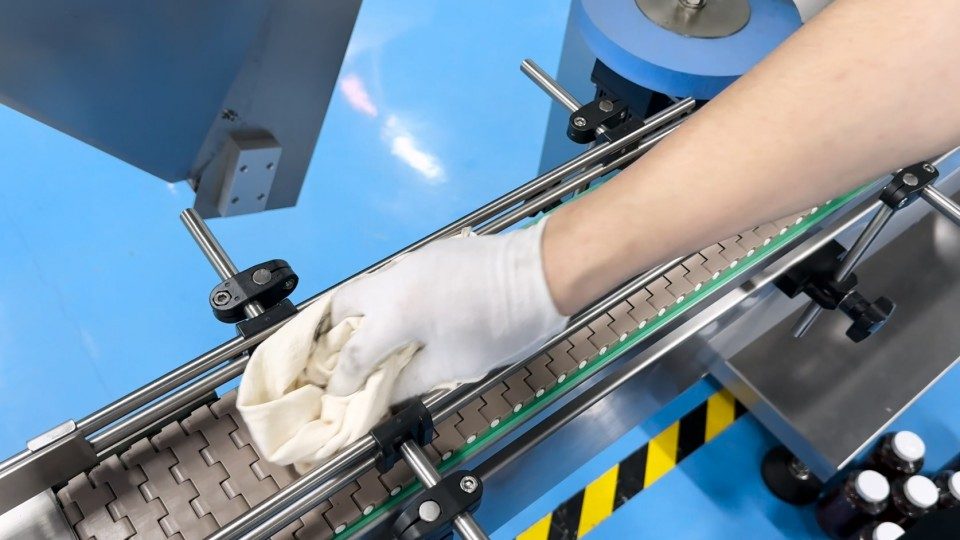
Корректирующее техническое обслуживание — это ремонт или восстановление, выполняемые после возникновения неисправности или отказа.
Оно не ограничивается только некритическим оборудованием. Критически важное фармацевтическое оборудование также может потребовать корректирующего обслуживания после непредвиденных сбоев.
Если отказ может повлиять на качество продукции, валидированные условия или статус квалификации оборудования, событие также может потребовать оценки отклонения, расследования, управления изменениями или CAPA в соответствии с системой качества предприятия.
Техническое обслуживание, ориентированное на надежность (RCM) — это риск-ориентированный подход, который определяет важные функции оборудования, критические компоненты, виды отказов и их последствия.
Это помогает командам по техническому обслуживанию сосредоточить ресурсы на компонентах, отказ которых окажет наибольшее влияние на качество продукции, безопасность или непрерывность производства.
Практическая программа технического обслуживания должна быть систематической и основанной на оценке рисков.
Перечислите производственное и упаковочное оборудование, такое как:
Запишите ID оборудования, модель, серийный номер, местоположение, предполагаемое использование и ответственный отдел.
Оцените каждую машину в соответствии с ее влиянием на:
Критически важное оборудование обычно требует более тщательного осмотра и более строгих мер контроля технического обслуживания, чем вспомогательное оборудование с низким уровнем риска.
Определите детали, которые обычно изнашиваются, смещаются, загрязняются или выходят из строя.
Для таблеточного пресса это могут быть пуансоны, матрицы, кулачковые направляющие, компоненты питателя, подшипники, уплотнения, ролики и датчики.
Для блистерной упаковочной машины типичные зоны включают нагреватели, формовочные инструменты, уплотнительные детали, узлы резки, пневматические цилиндры, датчики и компоненты привода.
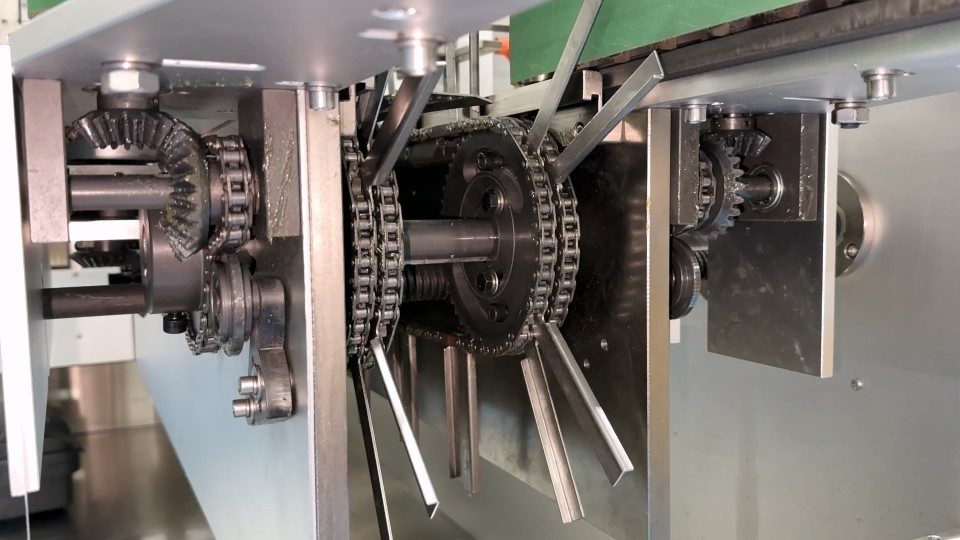
Руководства OEM являются важной отправной точкой для:
Эти рекомендации затем следует сравнить с фактической историей эксплуатации. Повторяющиеся отказы, скорость износа, часы наработки и частота замены могут показать, нуждаются ли интервалы в корректировке.
Стандартные операционные процедуры (СОП) по техническому обслуживанию должны определять:
Интервалы могут быть ежедневными, еженедельными, ежемесячными, ежеквартальными, основанными на периодах остановки оборудования или наработке в часах.
Это категории планирования, а не универсальные требования GMP.
Записи о техническом обслуживании должны анализироваться на предмет повторяющихся отказов, простоев, многократных регулировок и аномального расхода запасных частей.
Если изменение может повлиять на валидированную работу, статус калибровки, качество продукта или квалификацию оборудования, оно должно быть оценено в соответствии с применимыми на предприятии процедурами контроля изменений и управления рисками для качества.
Следующий график является лишь примером. Фактическая периодичность должна основываться на инструкциях OEM, использовании машины, производственной нагрузке, критичности оборудования, обрабатываемых материалах и истории технического обслуживания.
|
Периодичность |
Типовые задачи по техническому обслуживанию |
Записи |
|
Ежедневно / Посменно |
Проверка на наличие аномального шума, вибрации, утечек, нагрева, проверка защитных ограждений, смазки, состояния систем подачи воздуха и вакуума |
Контрольный список оператора, идентификатор машины, дата, выявленные отклонения |
|
Еженедельно |
Осмотр точек смазки, цепей, ремней, крепежных элементов, фильтров, вакуумных и пневматических компонентов |
Форма еженедельного осмотра, регулировки, замененные детали |
|
Ежемесячно |
Осмотр двигателей, редукторов, кулачков, валов, роликов, приводных компонентов, аварийной сигнализации и блокировок |
Отчет о техническом обслуживании, результаты осмотра, записи о замене |
|
Ежеквартально / Периодически |
Проверка статуса калибровки, осмотр уплотнений, конструктивных элементов, фильтров и критических компонентов |
Записи о калибровке или верификации, результаты осмотра |
|
Ежегодно / Во время остановки |
Капитальный осмотр или ремонт в соответствии с требованиями OEM и предприятия; анализ истории технического обслуживания |
Отчет о капитальном обслуживании, обновленный график, записи об изменениях, где применимо |
Контрольный список технического обслуживания не должен превращаться в формальное проставление галочек.
Если один и тот же компонент неоднократно выходит из строя до запланированного осмотра, команда должна расследовать причину, а не просто увеличивать частоту осмотров.
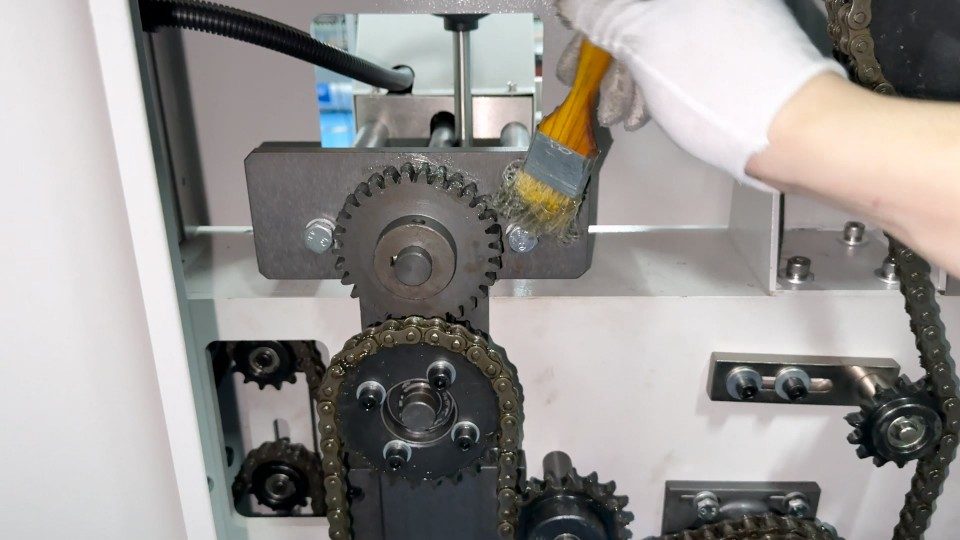
Техническое обслуживание конкретных машин должно выполняться в соответствии с руководством OEM и утвержденными процедурами предприятия. Ниже приведены общие примеры.
Важные точки осмотра включают:
Инструментальную оснастку следует проверять на наличие царапин, повреждений кромок, аномального износа или заеданий. Кулачковые направляющие, ролики, подшипники и компоненты привода необходимо осматривать на предмет износа, шума или недостаточной смазки.
Автоматическая смазка может улучшить консистенцию смазочного материала, но насосы, магистрали, уровни смазки и точки подачи все равно требуют проверки.
Пылеудаление и герметизация также важны, поскольку фармацевтический порошок может проникать в подшипники и механические узлы, ускоряя износ.
Основные точки технического обслуживания включают:
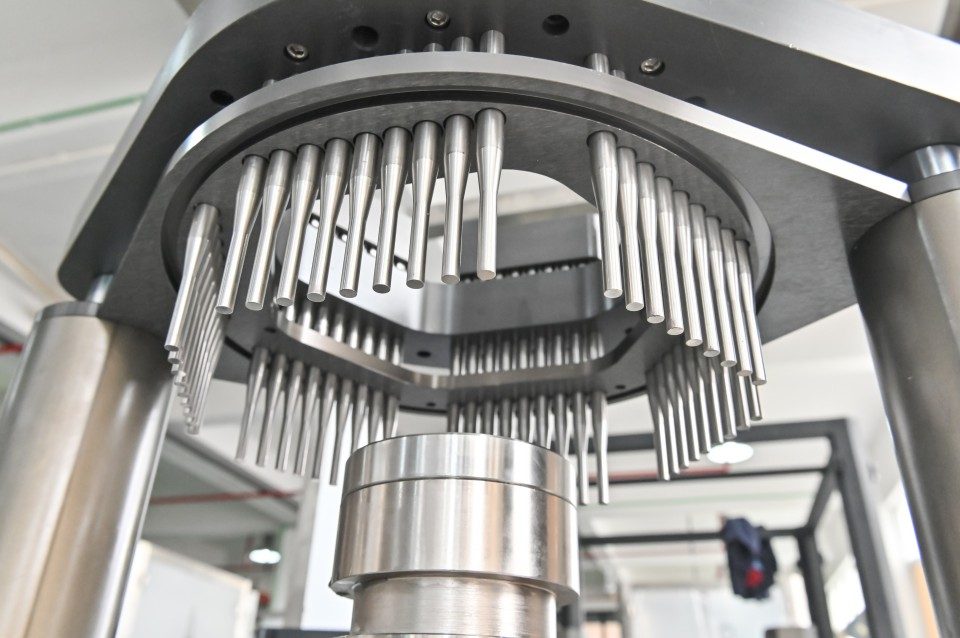
Необходимо контролировать скопление порошка вокруг механизмов наполнения и перемещения. Вакуумные фильтры, уплотнения, магистрали и насосы также следует проверять, поскольку нестабильный вакуум может повлиять на разделение капсул и производительность машины.
Там, где для изоляции подшипников от порошка используются уплотнения из нитрильного каучука (NBR), силикона или других материалов, проверяйте их на наличие износа или утечек.
Важные области включают:
Формующие и запаивающие инструменты должны содержаться в чистоте и проверяться на износ. Нагревательные элементы и регуляторы температуры следует проверять в соответствии с утвержденными процедурами технического обслуживания и калибровки.
Фотоэлектрические датчики и поверхности систем технического зрения также нуждаются в регулярной очистке, так как пыль или остатки могут вызвать проблемы с обнаружением.
Для машины для подсчета таблеток, проверяйте вибрационные каналы, датчики, разделяющие компоненты, конвейеры и пневматические системы.
Для линий розлива: осмотрите цепи, звездочки, направляющие для бутылок, чеквейер, укупорочную машину, индукционный запайщик, этикетировочную машину и датчики.
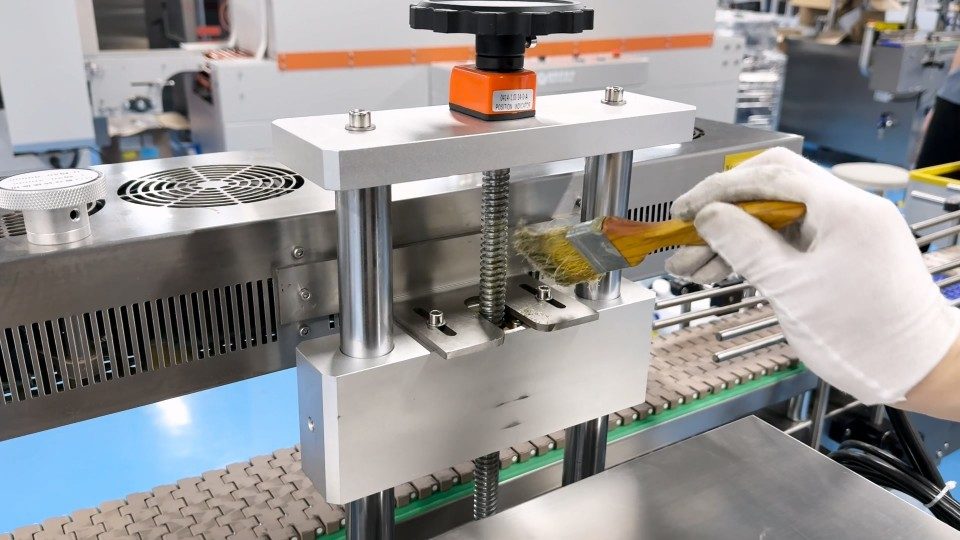
Для картонажных машин, к основным зонам технического обслуживания относятся цепные приводы, подшипники, вакуумные захваты, магазины для картонных коробок, кулачки, ремни, направляющие и электрические датчики.
Эти четыре вида деятельности служат разным целям.
|
Вид деятельности |
Основная цель |
Пример |
|
Очистка |
Удаление остатков продукта или загрязнений |
Очистка бункера или дозирующего диска |
|
Техническое обслуживание |
Сохранение или восстановление надежности оборудования |
Смазка кулачка или замена уплотнения |
|
Калибровка |
Проверка точности измерений |
Калибровка манометра |
|
Квалификация |
Подтверждение пригодности оборудования для использования по назначению |
Выполнение мероприятий IQ/OQ/PQ |
Эти виды деятельности могут быть взаимосвязаны.
Например, техническое обслуживание датчика давления может потребовать его повторной калибровки. Замена критически важного компонента системы управления может потребовать оценки необходимости проведения дополнительной квалификации.
Записи о техническом обслуживании должны позволять проверяющему понять, что было сделано и было ли оборудование пригодно для возврата в эксплуатацию.
FDA 21 CFR 211.67 требует наличия письменных процедур очистки и технического обслуживания, а также соответствующих записей. Для основного оборудования 21 CFR 211.182 также устанавливает требования к журналам очистки, технического обслуживания и использования оборудования.
Типовые записи включают:
Если неисправность или задержка ремонта могут повлиять на качество продукта или валидированную работу, это должно быть оценено в рамках применимого процесса обработки отклонений или расследования.
Техническое обслуживание не всегда автоматически требует повторной калибровки или квалификации.
Необходимость зависит от:
Решение должно приниматься в соответствии с утвержденными процедурами, контролем изменений и управлением рисками для качества.
Компьютеризированная система управления техническим обслуживанием (CMMS) позволяет планировать работы, хранить историю обслуживания, управлять запасными частями и регистрировать результаты проверок.
В случаях, когда электронные записи или подписи используются для выполнения требований FDA к ведению документации, необходимо оценить применимость 21 CFR Part 11.
Электронные записи также должны соответствовать применимым мерам контроля целостности данных и обеспечивать четкий контрольный след (audit trail).
Программа технического обслуживания работает эффективнее, если сама машина спроектирована для легкого осмотра и обслуживания.
Модульная оснастка и доступные компоненты сокращают необходимость в лишней разборке.
Модульная оснастка → более легкое снятие → более легкий осмотр и очистка → более быстрый возврат в эксплуатацию.
Автоматическая смазка может обеспечить более равномерную подачу масла или консистентной смазки.
Контролируемая подача смазочного материала → более стабильная смазка → меньшая зависимость от ручного нанесения.
Сама система смазки все равно требует проверки.
Эффективные уплотнения, крышки и системы пылеудаления помогают предотвратить попадание порошка в подшипники и механические системы.
Меньшее проникновение порошка → снижение риска загрязнения и абразивного износа → более простое техническое обслуживание.
Сигналы программируемого логического контроллера (PLC) и человеко-машинного интерфейса (HMI) помогают выявлять перегрузки, неисправности системы смазки, ошибки датчиков или отклонения в работе машины.
Диагностика не заменяет физический осмотр, но может сократить время поиска и устранения неисправностей.
Открытые рабочие зоны, съемные детали, контактирующие с продуктом, доступные коммуникации и упорядоченные электрические системы облегчают как очистку, так и техническое обслуживание.
Фармацевтическое оборудование Rich Packing реализует эти принципы ремонтопригодности с помощью таких функций, как модульная оснастка, автоматическая смазка, доступные зоны машины, меры по контролю пыли и диагностика через HMI.
Ключевой вопрос при покупке заключается не только в том, есть ли у машины эти функции, но и в том, могут ли технические специалисты легко осматривать, очищать, регулировать и заменять компоненты во время нормального производственного процесса.
Программа технического обслуживания фармацевтического оборудования должна меняться по мере накопления эксплуатационных данных.
Сосредоточьтесь на пяти областях:
Тенденции отказов: Выявляйте повторяющиеся поломки и частые регулировки.
Время простоя:Анализируйте крупные остановки и определяйте, могла ли ранняя проверка выявить проблему.
Запасные части:Неожиданное увеличение расхода подшипников, уплотнений, фильтров или смазочных материалов может указывать на развитие проблем.
Мониторинг состояния:Используйте тенденции вибрации, температуры, тока двигателя, давления, вакуума или сигналов тревоги там, где они приносят пользу.
Обратная связь от операторов:Операторы часто замечают ненормальный шум, нагрев, вибрацию или поведение машины до того, как произойдет серьезный сбой.
Интервалы технического обслуживания также следует пересматривать при изменении условий эксплуатации или истории оборудования.
Цель состоит не в том, чтобы выполнять как можно больше технического обслуживания. Цель — выполнять правильное техническое обслуживание в нужное время, основываясь на рисках оборудования и эксплуатационных данных.
Техническое обслуживание фармацевтического оборудования сочетает в себе профилактическое обслуживание, мониторинг состояния, корректирующие действия, документирование и постоянное совершенствование для поддержания надежности производственного и упаковочного оборудования и его пригодности для использования по назначению.
Надежная программа технического обслуживания начинается с определения критичности оборудования и видов отказов, использует рекомендации OEM и историю эксплуатации для установления интервалов технического обслуживания, а также документирует значимые работы в рамках фармацевтической системы качества.
Очистка, техническое обслуживание, калибровка и квалификация должны оставаться четко определенными, но скоординированными, когда один вид деятельности влияет на другой.
Конструкция машины также имеет значение. Доступные компоненты, модульная оснастка, контролируемая смазка, эффективная изоляция от пыли и полезная диагностика могут снизить трудозатраты на техническое обслуживание и облегчить выявление возникающих проблем.
Сочетая график технического обслуживания фармацевтического оборудования, основанный на оценке рисков, с проверкой конкретных машин, надежным учетом и конструкцией, удобной для обслуживания, производители могут сократить время вынужденного простоя, поддерживая при этом стабильное производство и контроль GMP.
Техническое обслуживание фармацевтического оборудования включает в себя плановую проверку, смазку, регулировку, ремонт, замену деталей и мониторинг состояния, используемые для поддержания надежности производственного и упаковочного оборудования и его пригодности для использования по назначению.
Универсальной периодичности технического обслуживания не существует. Интервалы должны учитывать рекомендации OEM, часы наработки, критичность оборудования, производственную нагрузку, обрабатываемые материалы, историю износа и результаты предыдущего технического обслуживания.
Контрольный список должен включать идентификатор оборудования, компонент, требуемую задачу, периодичность или триггер, ответственное лицо, дату, результаты, корректирующие действия и запасные части, где это применимо.
GMP требует, чтобы оборудование надлежащим образом обслуживалось и поддерживалось письменными процедурами и записями. FDA 21 CFR 211.67 не предписывает единую периодичность профилактического обслуживания для каждой машины.
Профилактическое техническое обслуживание выполняется в соответствии с интервалами времени или использования. Предиктивное техническое обслуживание использует данные о состоянии оборудования, такие как тенденции вибрации, температуры, давления, тока двигателя или сигналов тревоги, чтобы определить, когда может потребоваться техническое обслуживание.
Типичные записи включают идентификацию оборудования, дату технического обслуживания, выполненные работы, специалиста, результаты, запасные части, регулировки, отклонения и проверку после технического обслуживания.
Не автоматически. Необходимость зависит от объема работ, критичности затронутых функций и потенциального влияния на качество продукта или валидированную работу.
Модульная оснастка, доступные компоненты, автоматическая смазка, изоляция от пыли, легко очищаемые конструкции, организованные инженерные коммуникации и диагностика могут сократить ручную работу и упростить проверку и устранение неполадок.
Интервал следует пересматривать, когда часы наработки, производственные условия, характер износа, история отказов, рекомендации OEM или результаты проверок показывают, что существующий интервал больше не является подходящим.

29+ years in pharmaceutical machinery, covering capsule filling, tablet pressing, blister packaging, tablet and capsule counting, cartoning, GMP production, and overseas machine service.

Электронное письмо : manager@richpacking.cn
Building D, No. 226, Beishan Qiaotou Street, Haizhu District, Guangzhou City, Guangdong Province, China


 Поддерживается сеть IPv6