






 Дом
Дом Продукты
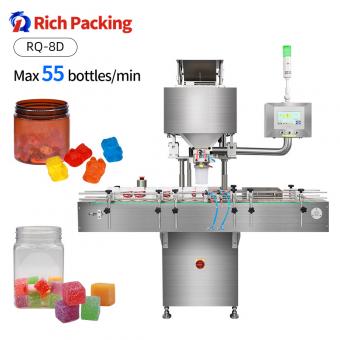
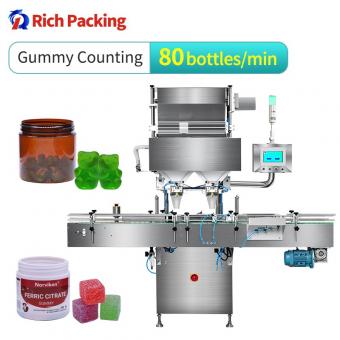
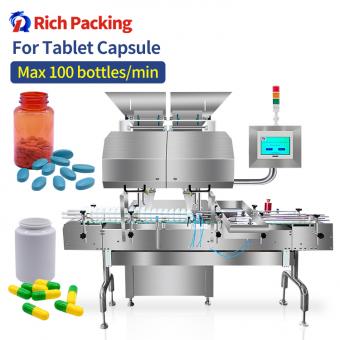
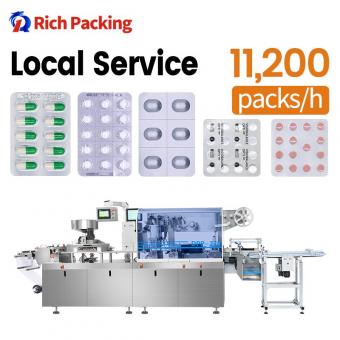
29+ years in pharmaceutical machinery, covering capsule filling, tablet pressing, blister packaging, tablet and capsule counting, cartoning, GMP production, and overseas machine service.

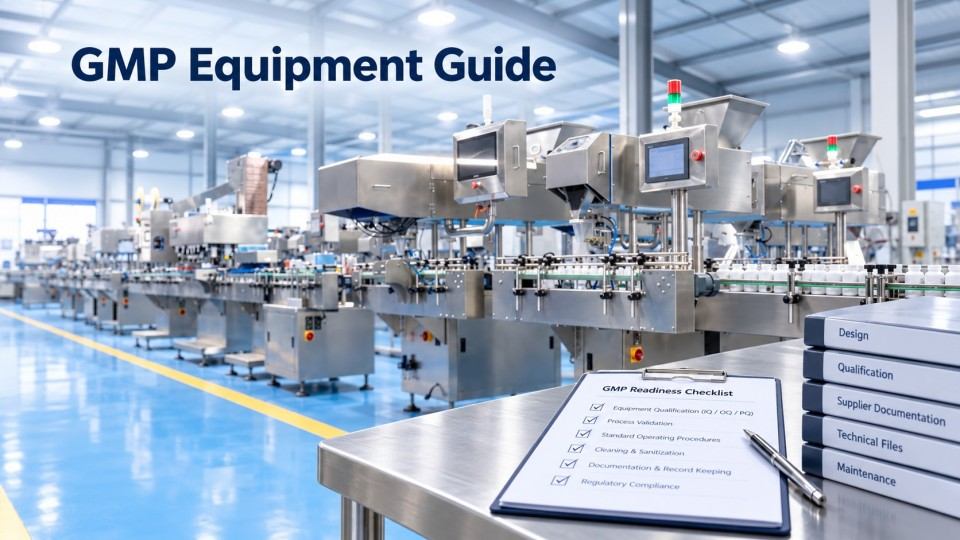
Требования GMP к фармацевтическому оборудованиюдизайн гигиенического оборудования, подходящийматериалы, контактирующие с продуктома также такие аспекты, как возможность очистки, техническое обслуживание и калибровка, квалификация оборудования, например, DQ, IQ, OQ и PQ, где это применимо.документация по валидацииа также средства контроля, необходимые для обеспечения стабильного фармацевтического производства. В зависимости от оборудования и целевого рынка покупателям могут также потребоваться протоколы заводских приемочных испытаний (FAT/SAT), документация по электробезопасности и безопасности оборудования, функции обеспечения целостности данных.соответствие CE, документация ATEX или другие доказательства соответствия требованиям конкретного проекта.
Стандарты FDA CGMP, EU GMP и WHO GMP обеспечивают важную нормативную базу, но ни один «сертификат GMP» не доказывает пригодность фармацевтического оборудования для любого применения. В этом руководстве объясняется, на что покупателям следует обратить внимание.Оборудование, соответствующее стандартам GMPЧто должны предоставлять поставщики документации и что должно быть согласовано до покупки, заводских приемочных испытаний, установки и квалификации. FDA подтверждает, что не ведет список утвержденных поставщиков.фармацевтическое производственное оборудованиеПри этом рекомендации ВОЗ и ЕС по надлежащей производственной практике (GMP) относят пригодность и квалификацию оборудования к более широкой системе обеспечения качества фармацевтической продукции.
Требования GMP к фармацевтическому оборудованию включают в себя требования к проектированию, контролю, техническому обслуживанию, квалификации и документации, используемые для обеспечения надлежащего функционирования фармацевтического оборудования.или машина для фармацевтической упаковки подходитподходит для использования в предполагаемом фармацевтическом процессе и не создает неприемлемых рисков для качества продукции.
На практике качество оборудования, соответствующего требованиям GMP, оценивается не по одному параметру, например, по конструкции из нержавеющей стали. Покупателям необходимо учитывать весь жизненный цикл оборудования — от технических требований пользователя и проектирования оборудования до очистки, калибровки, квалификации, эксплуатации, технического обслуживания и ведения документации.
Основные области включают:
|
Область требований GMP |
Что это значит для фармацевтического оборудования |
|
Конструкция гигиенического оборудования |
Зоны контакта с продуктом должны быть доступными, легко очищаемыми и спроектированы таким образом, чтобы снизить риск загрязнения или попадания продукта внутрь. |
|
материалы, контактирующие с продуктом |
Материалы должны соответствовать изделию, технологическим условиям и методу очистки. |
|
Чистка и техническое обслуживание |
Оборудование должно обеспечивать соблюдение установленных процедур очистки, осмотра, профилактического обслуживания и безопасной замены изнашиваемых деталей. |
|
Калибровка и контроль |
Критически важные приборы и функции управления должны соответствовать технологическому процессу и проверяться или калиброваться по мере необходимости. |
|
квалификация оборудования |
Определение требований к техническому обслуживанию (URS), качеству проектирования (DQ), качеству ввода-вывода (IQ), качеству эксплуатации (OQ) и качеству продукции (PQ) должно осуществляться в соответствии с критичностью оборудования и масштабом проекта. |
|
Жиры и насыщенные жиры |
Заводские и полевые приемочные испытания могут предоставить документальное подтверждение того, что согласованные функции и технические характеристики были проверены. |
|
Документация по валидации |
Поставщики могут предоставлять технические условия, протоколы испытаний, записи о калибровке, записи о материалах, а также поддержку по вопросам квалификации (IQ/OQ), необходимую для прохождения квалификации. |
|
целостность данных |
В тех случаях, когда оборудование создает или управляет электронными записями, относящимися к требованиям GMP, могут потребоваться функции контроля доступа, журналы аудита и другие функции обеспечения целостности данных. |
|
Соответствие требованиям конкретного рынка |
Соответствие стандартам CE, требованиям к электрооборудованию, требованиям ATEX или другим требованиям безопасности зависит от целевого рынка и области применения. |
Для покупателей важно то, чтосоответствие требованиям GMPЭто подтверждается доказательствами, а не общим рекламным заявлением. Поставщик может проектировать оборудование в соответствии с требованиями фармацевтической отрасли и предоставлять техническую документацию, документы FAT/SAT, информацию о калибровке и поддержку в квалификации, но фармацевтический производитель по-прежнему несет ответственность за определение пригодности оборудования для предполагаемого использования в рамках своей собственной системы качества.
Именно поэтому разным машинам требуется разный уровень внимания.таблеточный прессилимашина для наполнения капсулимеет проблемы, связанные с непосредственным контактом с продуктом и контролем порошкообразного состояния, в то время какблистерная упаковочная машинаиликартонажная машинаЭто влечет за собой различные риски, связанные с упаковочными материалами, маркировкой, проверкой и отслеживаемостью. Поэтому подход GMP должен следовать фактическому процессу, а не слепо применять один и тот же контрольный список ко всем машинам.
Последовательность практической оценки следующая:
дизайн и материалы →уборка и техническое обслуживание→ квалификация и валидация → документация поставщика → соответствие требованиям конкретного рынка → проверка конечного покупателя
Следующий раздел начинается с описания самого оборудования: основных требований к оборудованию, соответствующему стандартам GMP, касающихся конструкции, материалов, очистки и технического обслуживания.
Качественное оборудование, соответствующее требованиям GMP, начинается с конструкции, подходящей для продукта и процесса. Требования FDA к соответствующему стандарту CGMP сосредоточены на правильной конструкции оборудования, его очистке и техническом обслуживании, при этом поверхности, контактирующие с продуктом, не должны вступать в реакцию с материалами, добавлять к ним или впитывать их таким образом, чтобы это негативно влияло на качество продукта. FDA также четко заявляет, что нет единого предпочтительного материала для всех производственных поверхностей.
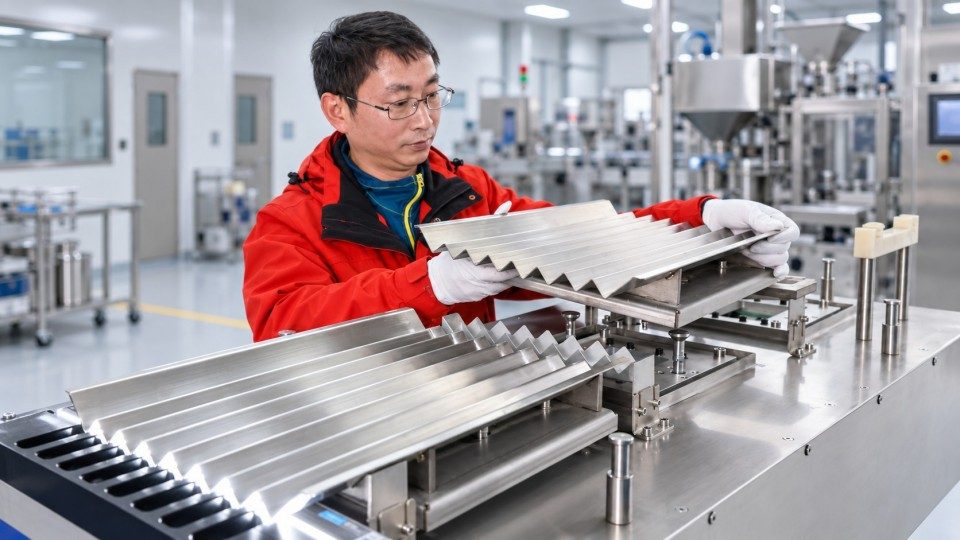 Конструкция фармацевтического оборудования, соответствующего стандартам GMP, с указанием деталей, контактирующих с продуктом и подлежащих очистке.
Нержавеющая сталь широко используетсясв фармацевтическом оборудовании, частьВ частности, в зонах контакта с продуктом, однако указание «нержавеющая сталь 316L» в спецификации само по себе не подтверждает соответствие требованиям GMP.
Покупателям следует учитывать совместимость материалов, коррозионную стойкость, состояние поверхности, сварные швы, уплотнения, смазочные материалы и любые другие компоненты, которые могут контактировать с изделием. Требования к качеству поверхности или конкретные сертификаты на материалы следует определять только тогда, когда это имеет значение для фактического процесса, а не рассматривать как универсальные требования для каждого фармацевтического оборудования.
Конструкция также должна минимизировать зоны, где могут скапливаться порошки, гранулы, таблетки, жидкости или остатки чистящих средств. Детали, контактирующие с продуктом и требующие регулярной очистки, должны быть доступны и, при необходимости, легко сниматься и устанавливаться обратно.
Требования к очистке должны соответствовать оборудованию и риску загрязнения. Например, для таблеточного пресса, работающего с порошками, требования к очистке отличаются от требований к вторичной упаковочной машине. CIP-очистка, автоматизированная очистка или специальная конструкция для разборки могут быть полезны, но ни один из этих методов не следует считать обязательным для каждой машины.
FDA требует, чтобы оборудование очищалось и обслуживалось с соответствующей периодичностью, при этом эти действия должны быть зафиксированы в письменных процедурах и документации. ВОЗ также рассматривает очистку и техническое обслуживание оборудования как часть поддержания его в надлежащем квалифицированном состоянии.
Для критически важных измерительных приборов также необходима соответствующая стратегия калибровки. Поэтому при закупке покупатели должны проверять не только то, как оборудование работает на заводских приемочных испытаниях, но и то, как оно будет очищаться, осматриваться, калиброваться и обслуживаться в течение многих лет производства.
Квалификация фармацевтического оборудованияПредоставляет документальное подтверждение того, что оборудование было спроектировано, установлено и эксплуатируется по назначению. На практике квалификация оборудования в фармацевтической отрасли обычно следует жизненному циклу, а не начинается с момента поступления машины на завод.
Приложение 15 к регламенту GMP ЕС начинает этот жизненный цикл с спецификации требований пользователя (URS). URS определяет, чего должно достигать оборудование, а квалификация конструкции (DQ) подтверждает, что предлагаемая конструкция соответствует этим требованиям.
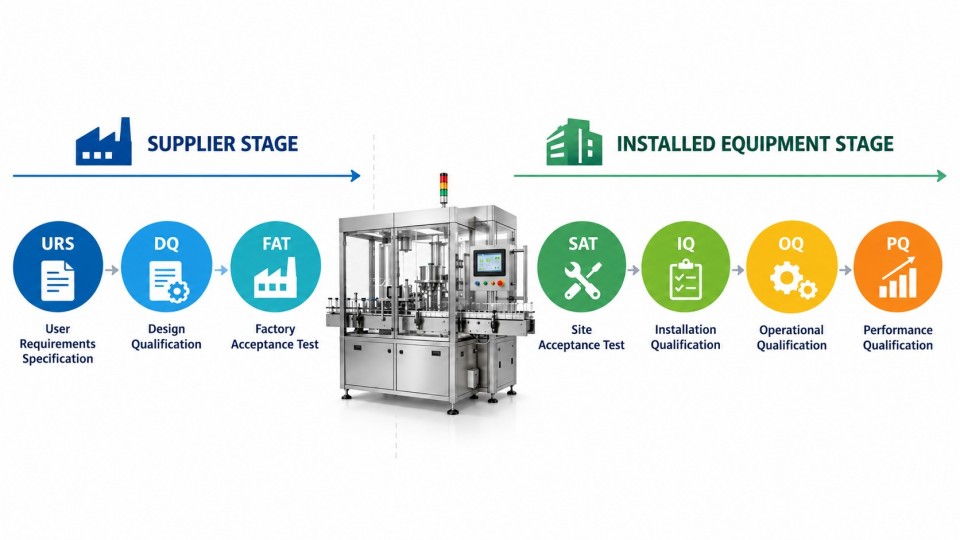 Жизненный цикл квалификации фармацевтического оборудования от URS и DQ до FAT, SAT, IQ, OQ и PQ.
Заводские приемочные испытания (FAT) позволяют проверить согласованные функции машины, технические характеристики, сигналы тревоги, органы управления и документацию на площадке поставщика до отгрузки. После поставки можно провести приемочные испытания на месте (SAT), которые подтвердят работоспособность соответствующих функций.
Жиры и насыщенные жирыЭто не просто другие названия для IQ и OQ. Однако Приложение 15 к регламенту GMP ЕС допускает проведение соответствующих проверок документации и некоторых заводских приемочных испытаний для поддержки последующей квалификации без ненужного повторения, если это оправдано и транспортировка или установка не повлияли на проверенную функциональность.
Квалификация монтажа (КМ) подтверждает, что установленная система соответствует утвержденным чертежам, спецификациям и заранее определенным требованиям. В Приложении 15 указаны такие области, как инструкции поставщика, требования к техническому обслуживанию, калибровка приборов и конструкционные материалы, которые следует учитывать при проведении КМ.
Эксплуатационная квалификация (ОК) подтверждает, что установленное оборудование работает должным образом в заданных диапазонах рабочих параметров, включая соответствующие контрольные или предельные испытания.
Квалификация производительности (КП) идет дальше, демонстрируя эффективную и воспроизводимую работу в условиях, репрезентативных для предполагаемого процесса. Поскольку КП в значительной степени зависит от продукта, процесса и производственной площадки, поставщик оборудования может ее обеспечить, но не должен представлять типовой сертификат КП в качестве доказательства того, что процесс каждого заказчика уже прошел валидацию.
В этом разделе намеренно кратко изложен процесс валидации оборудования, а не содержится подробного руководства по квалификации IQ/OQ/PQ. Покупателям следует определить обязанности поставщика по квалификации до размещения заказа и использовать специальную процедуру валидации IQ, OQ и PQ для детальной стратегии выполнения.
Надлежащая документация GMP подразумевает, что проектирование, тестирование и квалификация оборудования становятся отслеживаемыми доказательствами. Покупателям следует определять необходимые документы поставщика на ранних этапах — в идеале на этапе проверки технических условий, запроса предложений или анализа заказа на покупку — а не запрашивать недостающие документы после заводских приемочных испытаний.
Практичный пакет документации на фармацевтическое оборудование может включать в себя:
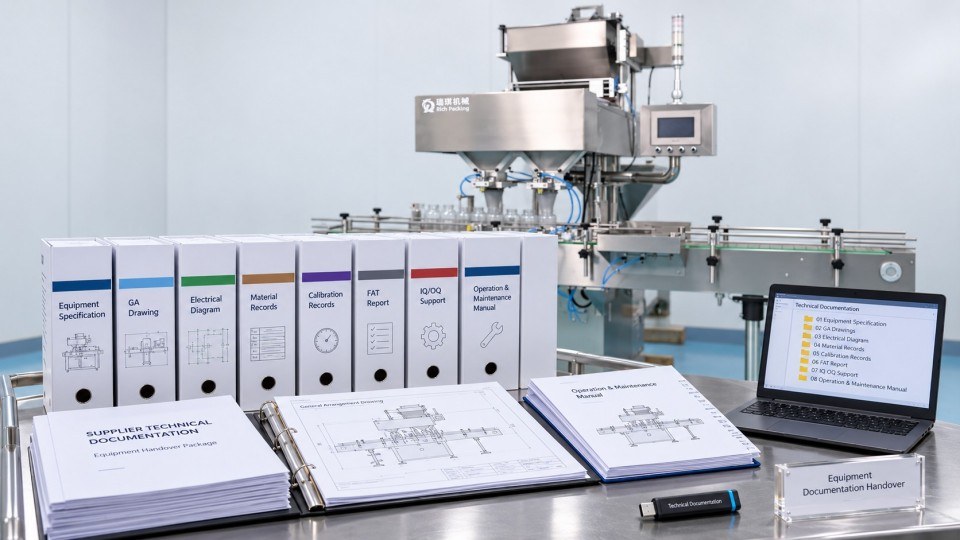 Комплект документации на фармацевтическое оборудование, включая записи о калибровке FAT и IQ OQ.
|
Группа документов |
Типичные результаты работы поставщика |
|
Техническая документация |
Технические характеристики оборудования, общие чертежи/схемы компоновки, электрические и пневматические схемы, требования к инженерным сетям, руководства по эксплуатации и техническому обслуживанию. |
|
Материальная документация |
Документация по материалам, контактирующим с продукцией, сертификаты или информация о качестве обработки поверхности, если таковая указана. |
|
Документация по калибровке |
Перечень приборов и сертификаты или записи о калибровке соответствующих поставленных приборов. |
|
Документация FAT/SAT |
Утвержденные протоколы, результаты испытаний, отчеты и задокументированные отклонения. |
|
Документация, подтверждающая квалификацию |
Поддержка DQ, протоколы или шаблоны IQ/OQ, протоколы испытаний и соответствующая документация IQ/OQ, если они включены в договор. |
|
Документы по безопасности и соответствию стандартам |
Применимые декларации, документация по рискам и записи о соответствии требованиям конкретного рынка. |
Упаковка должна точно соответствовать оборудованию и проекту. Простая машина для вторичной упаковки не обязательно потребует той же документации по валидации, что и сложная производственная система с множеством критически важных приборов и компьютеризированным управлением.
В более крупных проектах покупатели могут определять эти результаты работы посредством требований к документации поставщика (VDR). Затем окончательно утвержденные документы могут быть объединены в пакет документации поставщика или пакет передачи оборудования (TOP) для передачи оборудования заказчику.
Особенно важно одно различие: документы поставщика подтверждают квалификацию, но они не заменяют автоматически собственные контролируемые процедуры или процесс утверждения фармацевтического производителя. В Приложении 15 к Регламенту ЕС о надлежащей производственной практике (GMP) указано, что протоколы и документация сторонних организаций должны быть проверены соответствующим персоналом предприятия на предмет соответствия внутренним процедурам, а протоколы поставщиков могут требовать дополнительной документации или тестирования.
Именно поэтому перечень документов следует согласовывать до совершения покупки. Если для проекта требуются сертификаты на материалы, протоколы калибровки, отчеты о заводских приемочных испытаниях или специфическая документация по квалификации материалов/эксплуатации, эти требования должны быть включены в коммерческое и техническое описание проекта, а не оставаться предположением.
Богатая упаковкаможет оказывать поддержку в подготовке документации и квалификации фармацевтического оборудования в соответствии с согласованным объемом проекта.
Требования к соответствию фармацевтического оборудования стандартам не одинаковы на всех целевых рынках. Надлежащая производственная практика (GMP) касается качества фармацевтического производства, в то время как требования к безопасности оборудования, электробезопасности, взрывозащите и ведению электронной документации регулируются отдельными нормативными или техническими рамками.
В Соединенных Штатах FDA не «одобряет» отдельные производственные машины. Пользователь по-прежнему несет ответственность за выбор оборудования, способного соответствовать применимым требованиям надлежащей производственной практики (CGMP). Если компьютерная система создает, изменяет, поддерживает или передает электронные записи, требуемые в соответствии с правилами FDA,21 CFR Часть 11может стать актуальным; его не следует автоматически применять ко всем ЧМИ или ПЛК только потому, что он установлен на фармацевтическом оборудовании.
Для оборудования, размещаемого на рынке ЕС, соответствие стандартам CE также отделено от квалификации GMP. По состоянию на сентябрь 2026 года Европейская комиссия заявляет, что оборудование, размещаемое на рынке ЕС до 20 января 2027 года, по-прежнему регулируется Директивой 2006/42/EC о машиностроении, в то время как Регламент (ЕС) 2023/1230 становится обязательным с этой даты. Поэтому покупателям, реализующим проекты в 2026–2027 годах, следует уточнить, какое законодательство применяется на фактическую дату размещения на рынке.
Документация ATEX становится актуальной в тех случаях, когда оборудование предназначено для работы в потенциально взрывоопасных средах. Другие требования к электрооборудованию, давлению, безопасности или местным нормам также зависят от машины, установки и места назначения.
Поэтому покупателю следует задать следующий вопрос:
Какие требования фактически применимы к этой машине, этому продукту, этому предприятию и этому рынку?
Этот вопрос гораздо полезнее, чем запрашивать каждый сертификат, обнаруженный в другом фармацевтическом проекте.
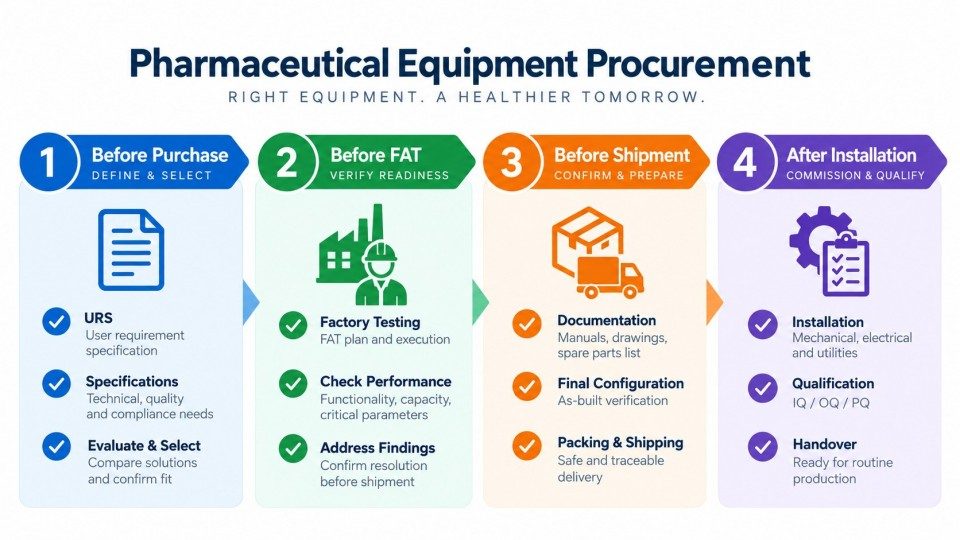
Контрольный список оборудования GMP, охватывающий этапы закупки, заводских приемочных испытаний (FAT), отгрузки и установки.
Практический контрольный список оборудования, соответствующего требованиям GMP, должен соответствовать жизненному циклу закупки, а не ждать окончательной поставки.
|
Этап проекта |
Что должен подтвердить покупатель |
|
Перед покупкой |
Назначение, технические условия эксплуатации, материалы, контактирующие с продуктом, концепция очистки, средства контроля, применимые стандарты, область квалификации и необходимая документация поставщика. |
|
До жира |
Утвержденные технические условия и чертежи, протокол заводских приемочных испытаний (FAT), критически важные приборы, состояние калибровки, информация о материалах, сигналы тревоги, функции безопасности и состояние документации. |
|
Перед отправкой |
Завершение заводских приемочных испытаний, устранение отклонений, окончательные руководства и чертежи, протоколы калибровки, согласованные сертификаты, квалификационные документы и информация о запасных частях. |
|
После установки |
Проверка SAT (где применимо), проверка инженерных сетей и оборудования, актуальная документация, состояние калибровки и готовность к IQ/OQ. |
Наибольшие проблемы при закупках часто возникают из-за требований, которые никогда не были зафиксированы в письменном виде. Если покупатель ожидает получения определенного сертификата, проведения заводских приемочных испытаний, документации на материалы, функциональности программного обеспечения или протокола квалификации/операции, это должно быть определено до окончательного оформления заказа.
Тот же принцип применим и ккомплектные линии по производству фармацевтической продукцииТаблеточный пресс, машина для наполнения капсул.счетная линияБлистерная упаковочная машина и картонажная машина могут быть объединены в один проект, но каждая машина может иметь различные требования к контакту с продуктом, очистке, контролю и квалификации. Поэтому линию следует оценивать как отдельное оборудование, так и как интегрированную систему, где интерфейсы могут влиять на производительность.
По вопросам новых проектов в области фармацевтического производства или упаковки обращайтесь по указанным контактам.Богатая упаковкадля обсуждения конфигурации оборудования, объема заводских приемочных испытаний и требований к документации.
Требования GMP к фармацевтическому оборудованию не могут сводиться к конструкции из нержавеющей стали или одному «сертификату GMP». Качественное оборудование, соответствующее требованиям GMP, сочетает в себе подходящую конструкцию, возможность очистки, ремонтопригодность, надлежащие средства контроля, квалификацию оборудования и надежную документацию.
Для покупателей наиболее эффективным подходом является определение этих требований в техническом задании и закупочной документации до начала производства. Это значительно упрощает заводские приемочные испытания, квалификацию и операционную квалификацию, передачу документации и окончательную квалификацию площадки, а также снижает риск обнаружения недостающих доказательств соответствия после отгрузки оборудования.
К ним относятся: подходящая конструкция оборудования, материалы, контактирующие с продуктом, возможность очистки, техническое обслуживание, калибровка, системы управления, квалификация и документация. Точные требования зависят от предполагаемого использования оборудования, технологического процесса и применимой нормативно-правовой среды.
Универсального сертификата GMP, выдаваемого FDA, для отдельных машин, используемых в фармацевтическом производстве, не существует. Пригодность оборудования оценивается на основе его конструкции, предполагаемого использования, средств управления, квалификации и подтверждающих документов.
Квалификация оборудования в фармацевтической отрасли — это документированный жизненный цикл, используемый для демонстрации пригодности оборудования для предполагаемого использования. Она может включать в себя этапы URS, DQ, FAT/SAT, IQ, OQ и PQ в зависимости от проекта и рисков.
Типичные документы включают технические условия, чертежи, руководства, протоколы заводских приемочных испытаний (FAT/SAT), соответствующие записи о материалах и калибровке, а также согласованную квалификационную документацию. Список необходимых документов следует определить на этапе закупок, поскольку для каждого проекта требуется разный пакет документов.
Нет. Квалификационные мероприятия должны соответствовать предполагаемому использованию, сложности оборудования, уровню риска и стратегии квалификации площадки. В Приложении 15 прямо признается, что этапы и мероприятия по квалификации могут различаться в зависимости от конкретных обстоятельств проекта.
Нет. Маркировка CE подтверждает соответствие действующему законодательству ЕС о продукции, в то время как GMP касается требований к фармацевтическому производству и системе качества. Таким образом, для оборудования может потребоваться документация, подтверждающая соответствие требованиям ЕС, и при этом необходима отдельная фармацевтическая квалификация на производственной площадке.

29+ years in pharmaceutical machinery, covering capsule filling, tablet pressing, blister packaging, tablet and capsule counting, cartoning, GMP production, and overseas machine service.

Электронное письмо : manager@richpacking.cn
Building D, No. 226, Beishan Qiaotou Street, Haizhu District, Guangzhou City, Guangdong Province, China


 Поддерживается сеть IPv6