






 Дом
Дом Продукты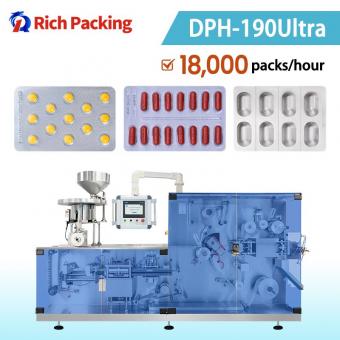
29+ years in pharmaceutical machinery, covering capsule filling, tablet pressing, blister packaging, tablet and capsule counting, cartoning, GMP production, and overseas machine service.

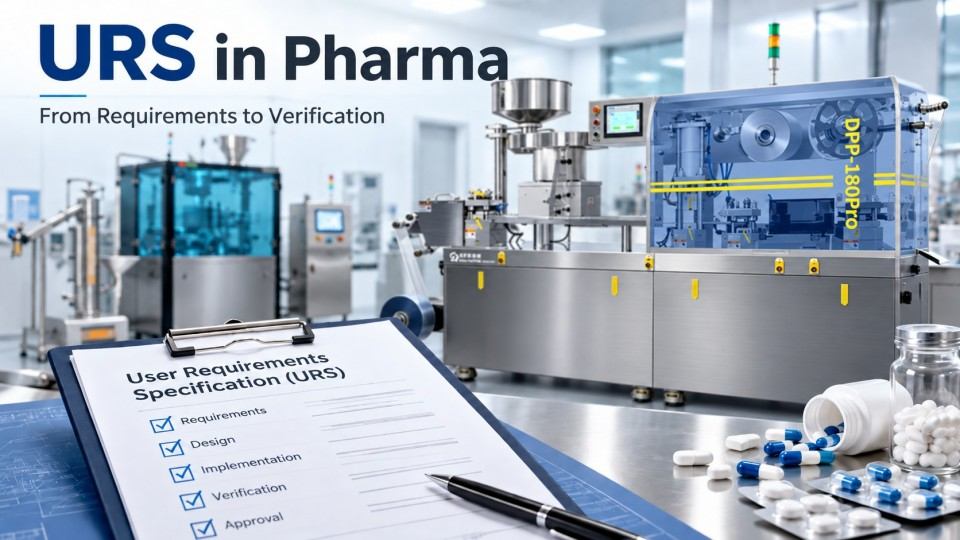
A спецификация требований пользователя (URS) определяет, чего фармацевтический производитель ожидает от машины, производственной линии, инженерной системы или комплекса до окончательного выбора оборудования. Полезная спецификация требований пользователя связывает предполагаемое использование, ассортимент продукции, производительность, очистку, переналадку, инженерное обеспечение, средства управления, документацию, интерфейсы, техническое обслуживание и критерии приемки с реальным процессом.
Запрос типа «автоматическая блистерная упаковочная машина, высокая скорость, соответствие GMP» все еще оставляет значительные пробелы. Поставщик пока не знает ассортимент таблеток или капсул, формовочные и покрывные материалы, размеры блистера, производительность при заданных условиях, функции контроля, объем переналадки, доступные инженерные сети, интерфейс картонажной машины или квалификационную документацию.
Если эти пункты остаются неопределенными, поставщики могут предлагать разные технические допущения. Результатом становится затрудненное сравнение, больше изменений в конструкции, неясная приемка FAT и проблемы, которые проявляются только во время установки или квалификации.
Таким образом, практическая спецификация требований пользователя в фармацевтике предоставляет производству, инженерам, отделу контроля качества (QA), валидации, техническому обслуживанию, закупкам и поставщику оборудования единый технический ориентир:
потребность процесса → спецификация требований пользователя → решение поставщика → верификация
В этом руководстве объясняется, что должна включать спецификация требований пользователя для фармацевтического оборудования, как писать проверяемые требования и как составить пример спецификации требований пользователя, шаблон спецификации требований пользователя, формат URS и контрольный список URS, не превращая документ в спецификацию инженерного проектирования.
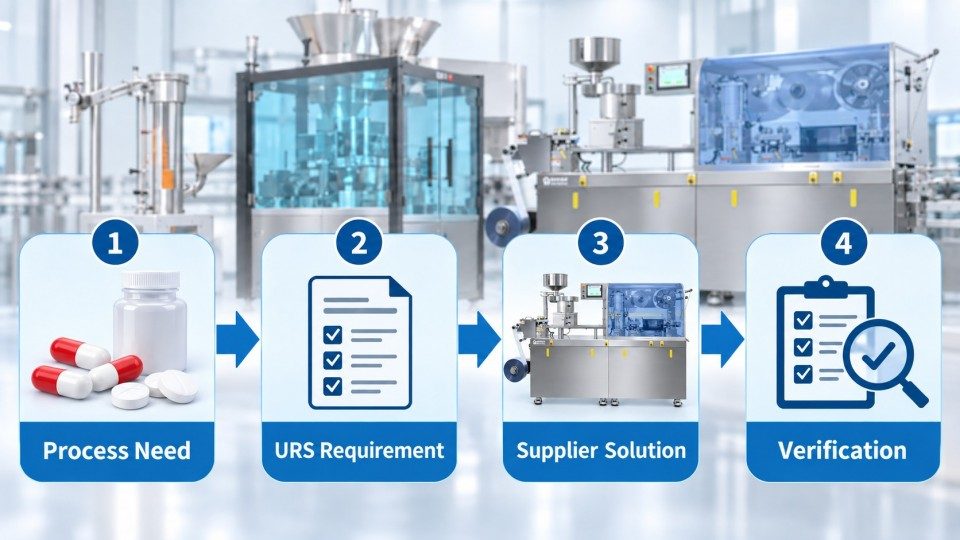 Рабочий процесс URS фармацевтического оборудования от потребности процесса до решения поставщика и верификации
Основные выводы
Спецификация требований пользователя определяет, что пользователю необходимо от машины, системы, объекта или инженерной системы для выполнения предполагаемого использования.
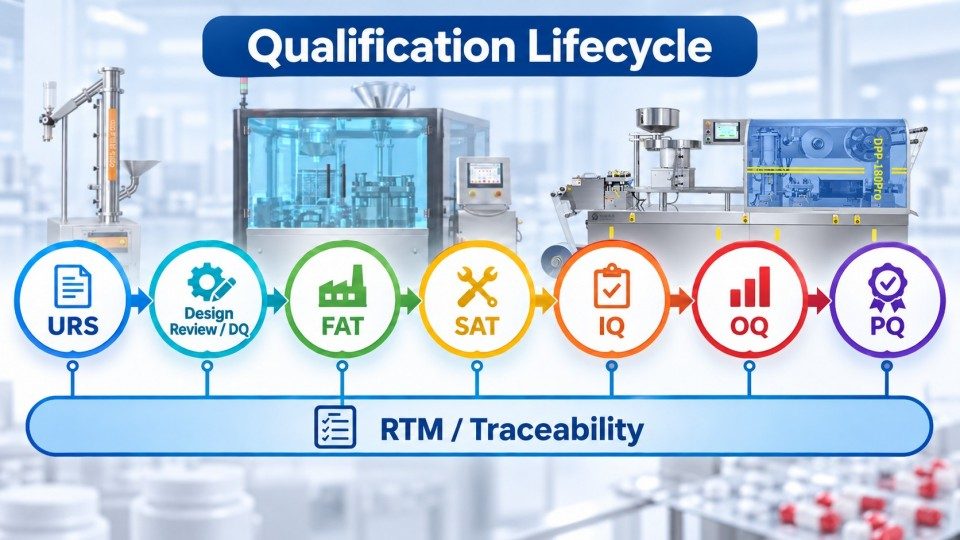
EU GMP Annex 15 помещает спецификацию требований пользователя в начало жизненного цикла квалификации. Она связывает URS с функциональными спецификациями, квалификацией проекта (Design Qualification), FAT/SAT и последующими квалификационными мероприятиями, где это применимо.
Базовая граница проста:
|
Документ |
Основной вопрос |
|
Спецификация требований пользователя |
Чего должна достичь система? |
|
Функциональная спецификация / FRS |
Какие функции удовлетворят эту потребность? |
|
Спецификация проекта / DS |
Как будет спроектировано решение? |
|
Верификация / Квалификация |
Соответствует ли поставленное решение утвержденным требованиям? |
Эта граница предотвращает две противоположные проблемы: спецификацию требований пользователя, которая слишком расплывчата для тестирования, и ту, которая излишне диктует внутреннюю конструкцию поставщика.
Например, «использовать три серводвигателя» — это в основном инструкция по проектированию. Реальная потребность может заключаться в стабильной подаче и синхронизации в заданном рабочем диапазоне. Поставщик обычно должен выбирать техническое решение, если только стандарт площадки — например, одобренное семейство ПЛК, список электрических компонентов, протокол связи, правило кибербезопасности или стратегия запасных частей — не делает саму технологию подлинным требованием пользователя.
Запросы на оборудование часто начинаются лишь с нескольких деталей. «Машина для наполнения капсул, размер 0, 90 000 капсул/час» достаточно для начала обсуждения, но недостаточно для определения диапазона размеров капсул, типа оболочки, материала наполнения, поведения потока, целевого диапазона наполнения, пылеудаления, очистки, инженерных сетей, переналадки, подключения к последующему оборудованию, объема FAT или документации.
Роль спецификации требований пользователя заключается в преобразовании этого раннего языка закупок в согласованную техническую базу до того, как допущения поставщика станут частью машины.
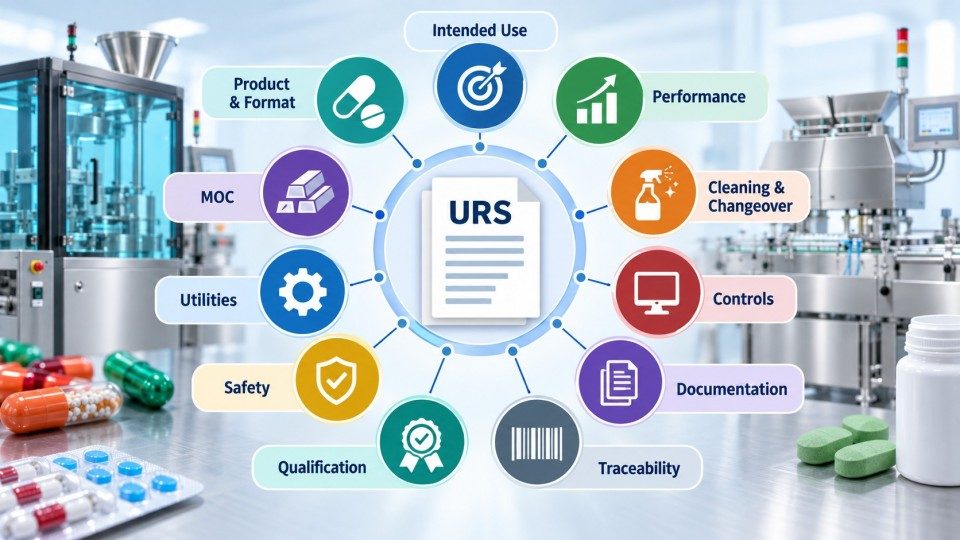
Точное содержание зависит от оборудования и профиля риска, но большинство документов URS в фармацевтике должны определять четыре вещи:
что обрабатывает система → чего она должна достичь → при каких условиях она работает → как будут верифицироваться важные требования
|
Область требований |
Что необходимо определить |
Типовая верификация |
|
Предполагаемое использование |
Процесс, продукт, лекарственная форма, объем проекта |
URS / анализ проекта |
|
Ассортимент продукции и форматов |
Размеры, физические характеристики, форматы упаковки, рабочие параметры |
Образцы, чертежи, данные о продукте |
|
Производительность |
Пропускная способность, точность, рабочий диапазон, показатели отбраковки |
FAT / эксплуатационные испытания |
|
Качество и GMP |
Требования, влияющие на качество, контроль загрязнений, применимые меры контроля рисков |
DQ / анализ / квалификация |
|
Материалы конструкции (MOC) |
Материалы, контактирующие с продуктом, отделка, уплотнения (где применимо) |
Сертификаты / инспекция |
|
Очистка и переналадка |
Контактирующие детали, доступ, разборка, смена формата, ограничения по очистке |
Анализ проекта / FAT |
|
Коммунальные услуги |
Электропитание, сжатый воздух, вакуум, вытяжка, вода, газы |
Технический анализ / SAT |
|
Окружающая среда |
Температура, влажность, ограничения помещения, если от них зависит производительность |
Спецификация / анализ площадки |
|
Средства управления и автоматизация |
HMI, рецептуры, аварийные сигналы, уровни доступа, функции обработки данных |
Функциональное тестирование |
|
Интерфейсы |
Предшествующее/последующее оборудование, высота конвейера, сигналы, связь |
Анализ проекта / FAT / SAT |
|
Безопасность |
Ограждения, блокировки, аварийные остановки, требования площадки |
FAT / SAT |
|
Контрольно-измерительные приборы и калибровка |
Критические приборы, требования к калибровке или сертификаты |
Анализ документации / IQ |
|
Техническое обслуживание |
Доступ, смазка, профилактическое обслуживание, быстроизнашивающиеся детали |
Технический обзор / руководства |
|
Критические запасные части, сменные детали, расходные материалы |
Список поставщиков / обзор |
|
|
Документация |
Чертежи, руководства, сертификаты, перечни деталей, протоколы испытаний |
Контрольный список документов |
|
Обучение и сервис |
Обучение операторов/технического персонала, объем поддержки |
Записи об обучении / сервисном обслуживании |
|
Поддержка квалификации |
Роли при FAT/SAT, IQ/OQ документы, ответственность за выполнение |
План проекта |
|
Прослеживаемость |
Идентификаторы требований, метод приемки, связанный тест или доказательство |
Матрица прослеживаемости требований |
Хорошая спецификация пользовательских требований начинается с процесса, а не с каталога оборудования.
Для блистерной упаковочной машины определите продукт и систему упаковки перед выбором конфигурации машины. Для таблеточного пресса определите диапазон таблеток, оснастку, соответствующие характеристики состава, диапазон производительности, подачу и технологические потребности. Для линии подсчета определите конкретные таблетки, капсулы, мягкие желатиновые капсулы или жевательные конфеты, поскольку геометрия, пыль, прозрачность, отражательная способность и адгезия могут влиять на производительность.
Оценка рисков затем помогает решить, какие пользовательские требования заслуживают наиболее строгих критериев приемки. Требования, критически важные для качества, безопасности и процесса, должны проходить более тщательную проверку, чем вспомогательные функции.
Самое полезное правило при написании спецификации пользовательских требований:
Если поставщик заявляет, что требование выполнено, какое доказательство это подтвердит?
|
Производственная потребность |
Слабая формулировка |
Лучшее направление для URS |
Верификация |
|
Более высокая производительность |
Высокоскоростная машина |
Определите продукт/формат, целевую производительность и условия эксплуатации |
FAT |
|
Стабильный подсчет |
Высокая точность |
Определите продукт, количество, скорость, метод испытания и критерий приемки |
FAT / PQ, где применимо |
|
Сокращение времени простоя |
Быстрая переналадка |
Определите форматы, включенные операции и целевое время, если это критично |
FAT / SAT |
|
Более легкая очистка |
Легкость очистки |
Определите контактирующие детали, доступ, демонтаж и ограничения по очистке |
Анализ проекта / FAT |
|
Соответствие требованиям GMP |
Соответствует требованиям GMP |
Разделите на применимые материалы, конструкцию, средства управления, очистку, документацию и меры контроля рисков |
DQ / анализ / квалификация |
|
Интеграция линии |
Совместимость с картонажной машиной |
Определите механический интерфейс, скорость, сигналы, накопление и взаимодействие систем управления |
Анализ проекта / SAT |
|
Надежное техническое обслуживание |
Низкие затраты на обслуживание |
Определите доступ, смазку, профилактическое обслуживание, быстроизнашивающиеся детали и ожидания по сервисному обслуживанию |
Технический анализ |
|
Поддержка квалификации |
Предоставьте валидационную документацию |
Перечислите точные протоколы, сертификаты, чертежи, записи и обязанности |
Анализ документации |
Само по себе число не является автоматически хорошим требованием спецификации пользовательских требований.
«Производительность ≥ 100 000 капсул/час» является неполным, если не определены размер капсулы, состав, диапазон наполнения, условия испытаний, допустимые простои и метод приемки. Целевой показатель переналадки столь же слаб, если не согласованы формат и операции, включенные в испытание.
Для крупных проектов присваивайте важным требованиям уникальные идентификаторы, такие как URS-PER-001 или URS-UTL-003.
Эти идентификаторы могут использоваться в ответе поставщика, функциональной спецификации, спецификации проекта, протоколе FAT, документации IQ/OQ и других записях о верификации.
A Матрица прослеживаемости требований (RTM) может сопоставлять:
ID URS → функциональный/проектный ответ → классификация рисков → метод верификации → документ испытаний → результат/отклонение
Это облегчает поиск пробелов и снижает вероятность того, что критическое пользовательское требование исчезнет между этапами закупки и квалификации.
Не каждая строка требует одинакового контроля. Практичная спецификация пользовательских требований может различать критические требования, обязательные требования и предпочтительные функции.
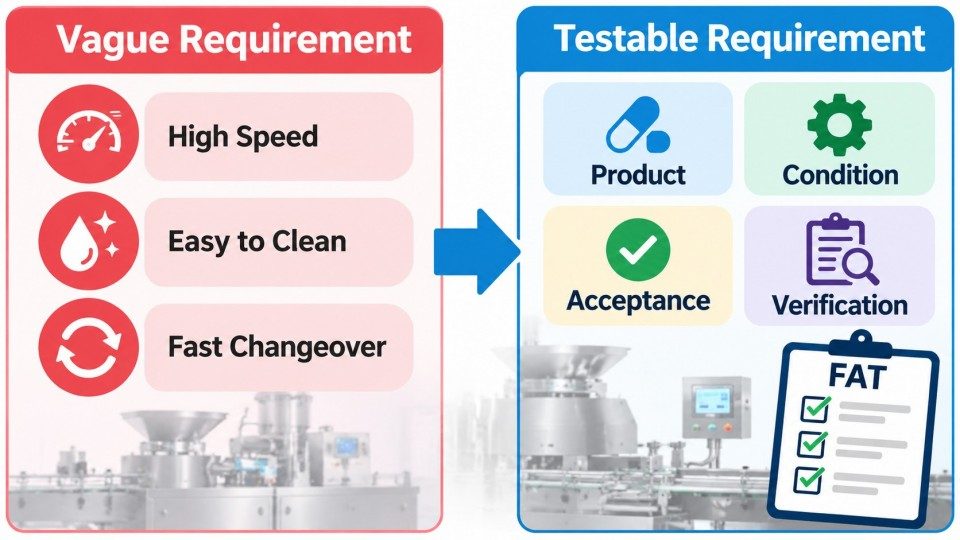 Примеры слабых и проверяемых спецификаций пользовательских требований для фармацевтического оборудования
Полезный пример спецификации пользовательских требований показывает, что меняется в зависимости от типа оборудования, не представляя значения одного завода как универсальные стандарты.
|
Оборудование |
Ценные исходные данные для URS |
|
Размер капсулы, тип оболочки, характеристики порошка/пеллет, диапазон наполнения, производительность, потребности в дозировании, обеспыливание, очистка, переналадка, инженерные коммуникации |
|
|
Размеры таблеток, стандарт инструмента, свойства состава, диапазон производительности, требования к прессованию, питатель, пылеудаление, очистка, интерфейс с последующим оборудованием |
|
|
Размеры/свойства продукта, диапазон бутылок, количество в бутылке, производительность линии, логика отбраковки, осушитель, укупорка, герметизация, этикетирование, картонирование |
|
|
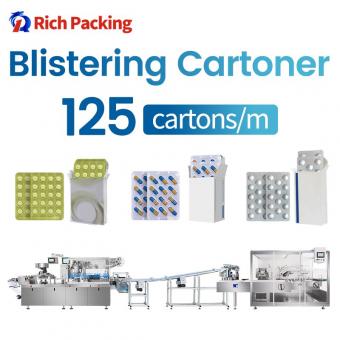
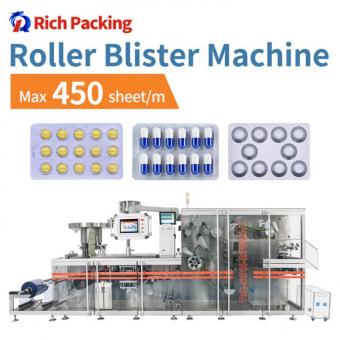
Ассортимент продукции, формовочные/покровные материалы, раскладка блистера, глубина формовки, производительность, инспекция, переналадка, охлаждение/коммуникации, интерфейс с картонатором |
|
|
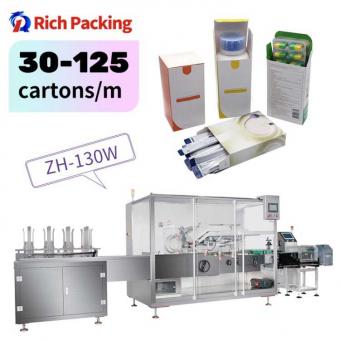
Подача продукта, размеры картонной упаковки, листовки/вкладыши, кодирование, обнаружение, логика отбраковки, производительность, синхронизация |
|
|
Машина для упаковки в стики / машина для упаковки в саше |
Характеристики продукта, диапазон дозирования, пленка, размеры упаковки, герметизация, дорожки, кодирование, последующая обработка |
Практический шаблон спецификации требований пользователя может использовать следующий формат URS в фармацевтических проектах:
|
Раздел |
Содержание |
|
1. Проект и область применения |
Оборудование, предполагаемое использование, местоположение, границы, редакция |
|
2. Продукт / Процесс |
Ассортимент продукции, характеристики состава или упаковки |
|
3. Производительность |
Мощность, рабочий диапазон, ожидания по качеству и производительности |
|
4. Форматы |
Требуемые размеры, сменные части, обоснованные будущие форматы |
|
5. Конструкция |
MOC (материалы конструкции), отделка, ограждения, применимые стандарты площадки |
|
6. Очистка и переналадка |
Контактирующие части, доступ, демонтаж, требования к очистке/замене |
|
7. Коммуникации и окружающая среда |
Электропитание, воздух, вакуум, вытяжка, вода, условия в помещении |
|
8. Управление и интеграция |
HMI, рецепты, аварийные сигналы, данные, интерфейсы, вышестоящее/нижестоящее оборудование |
|
9. Безопасность и контрольно-измерительные приборы |
Блокировки, функции аварийной остановки, критические приборы, калибровка |
|
10. Документация и квалификация |
Чертежи, руководства, сертификаты, FAT/SAT, поддержка IQ/OQ |
|
11. Техническое обслуживание и сервис |
Профилактическое обслуживание, смазка, запасные части, обучение |
|
12. Приемка и прослеживаемость |
Идентификаторы требований, метод проверки, критерии приемки, утверждения |
Шаблон спецификации требований пользователя должен оставаться под контролем редакций и изменений. Технические уточнения могут изменять требования, но эти изменения должны быть видимыми, рассмотренными и обоснованными, а не исчезать бесследно.
Грамотно составленная спецификация требований пользователя делает фармацевтическое оборудование сравнение поставщиков фармацевтического оборудования более значимым, поскольку каждый участник торгов отвечает на одни и те же требования и предполагаемое использование.
Без этой базовой линии один поставщик может включить инспекцию, сменные детали, документацию, пусконаладочные работы и поддержку квалификации, в то время как другой предложит только основную машину. Цены различаются, но объемы работ не эквивалентны.
При подготовке URS для фармацевтического оборудования производители также могут обсудить форматы продукции, целевую производительность, инженерные коммуникации, документацию и требования к интеграции в линию с опытным поставщиком оборудования.Rich Packing, производитель фармацевтического и упаковочного оборудования, может использовать эти проектные требования для подготовки более актуальной конфигурации машины и технического предложения.
Таким образом, техническое сравнение должно показывать, является ли каждое требование пользователя:
выполнено → выполнено с уточнением → выполнено с помощью альтернативного решения → не включено
|
Этап |
Основная цель |
|
Анализ проекта / DQ |
Подтверждение того, что предложенный проект соответствует утвержденным требованиям пользователя |
|
FAT |
Проверка выбранных функций, интерфейсов, документации и производительности перед отгрузкой |
|
SAT |
Подтверждение применимых функций при фактических инженерных коммуникациях и интерфейсах на объекте |
|
IQ |
Подтверждение установки, компонентов, документации и калибровки в соответствующих случаях |
|
OQ |
Демонстрация работы в рамках заданных функций и рабочих диапазонов |
|
PQ |
Демонстрация производительности в соответствующих технологических/продуктовых условиях |
|
RTM (Матрица прослеживаемости требований) |
Показать, где каждое критическое требование пользователя было рассмотрено и проверено |
Приложение 15 к EU GMP связывает URS с DQ и разрешает проверку соответствующей документации или тестирование на этапе FAT, если это обосновано. Оно также признает, что надлежащим образом выполненные работы FAT не обязательно повторять после установки, если транспортировка и установка не могут повлиять на проверенную функциональность.
Таким образом, спецификация требований пользователя поддерживает стратегию верификации, основанную на рисках, вместо того чтобы принудительно пропускать каждое требование через FAT, SAT, IQ, OQ и PQ.
Пусконаладочные работы, калибровка, СОП, процедуры очистки, профилактическое обслуживание и обучение операторов поддерживают повседневную эксплуатацию, не заменяя утвержденный URS.
Большинство слабых документов URS терпят неудачу по предсказуемым причинам:
Перед выпуском спецификации требований пользователя к фармацевтическому оборудованию используйте этот контрольный список URS:
Да. Технические уточнения, оценка рисков или разработка проекта могут выявить требования, требующие пересмотра. Изменения должны быть рассмотрены, утверждены, иметь контроль версий и быть прослеживаемыми, чтобы окончательная спецификация требований пользователя по-прежнему отражала утвержденное предполагаемое использование.
Нет. Некоторые требования лучше проверять с помощью чертежей, сертификатов, инспекций, анализа документов или функционального тестирования. Числовые критерии полезны, когда производительность можно значимо измерить, но принудительное включение цифр в каждое требование может создать искусственные ограничения.
Да. Поставщики могут выявить недостающую информацию, объяснить техническую осуществимость и предложить альтернативы. Утвержденная спецификация требований пользователя по-прежнему должна отражать требования фармацевтического производителя к процессу, качеству, площадке и эксплуатации.
RTM связывает утвержденные требования пользователя с функциональными или проектными ответами, классификацией рисков, документами верификации, результатами испытаний и отклонениями. Она особенно полезна для крупных или интенсивных с точки зрения квалификации проектов.
Да, когда стратегия технического обслуживания, быстроизнашивающиеся детали, смазка, доступ, наличие запасных частей или поддержка жизненного цикла влияют на пригодность оборудования. Эти требования могут влиять на время простоя и общую стоимость владения, даже если они не влияют напрямую на качество продукта.
Нет. Верификация должна соответствовать требованию и его риску. Некоторые требования подтверждаются путем анализа проекта или сертификатов; другие относятся к FAT, SAT, IQ, OQ или PQ. Повторение идентичных доказательств на каждом этапе увеличивает объем работы, не обязательно повышая уверенность.
Хорошая спецификация требований пользователя — это не длинный список пожеланий. Это краткое, прослеживаемое определение того, что должно делать оборудование, при каких условиях и как будут приниматься критические требования. Такая ясность улучшает сравнение поставщиков, уменьшает проектные допущения и дает более прочную техническую основу для ввода в эксплуатацию, FAT/SAT, квалификации, технического обслуживания и будущего контроля изменений.
Европейская комиссия — EudraLex, том 4, приложение 15: Квалификация и валидация.
Специализированная фармацевтическая служба NHS — Написание спецификации требований пользователя.
MilliporeSigma — Спецификация требований пользователя в фармацевтике.

29+ years in pharmaceutical machinery, covering capsule filling, tablet pressing, blister packaging, tablet and capsule counting, cartoning, GMP production, and overseas machine service.

Электронное письмо : manager@richpacking.cn
Building D, No. 226, Beishan Qiaotou Street, Haizhu District, Guangzhou City, Guangdong Province, China


 Поддерживается сеть IPv6