






 Дом
Дом Продукты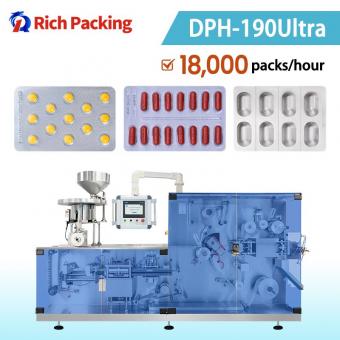
29+ years in pharmaceutical machinery, covering capsule filling, tablet pressing, blister packaging, tablet and capsule counting, cartoning, GMP production, and overseas machine service.

Представьте, что вы принимаете таблетку без стакана воды. Вы просто кладете ее на язык, и за считанные секунды она распадается, становясь легкой для проглатывания. Это основная идея таблеток, диспергируемых в полости рта (ODT).
Таблетки, диспергируемые в полости рта, стали важной лекарственной формой для препаратов, которые должны быть удобны в применении. Для детей, пожилых людей и лиц, испытывающих трудности с глотанием, ODT подходят лучше, чем обычные таблетки.
Удобство ODT сопряжено с дополнительными требованиями к производству и упаковке. В отличие от обычных таблеток, ODT должны сочетать в себе быстрое распадание, достаточную механическую прочность и надлежащую стабильность. Это напрямую влияет на выбор состава, производственного процесса и оборудования.
Эта статья познакомит вас с полным процессом производства и упаковки таблеток, диспергируемых в полости рта.
В этом разделе рассказывается о том, что представляют собой таблетки, диспергируемые в полости рта, как они достигают быстрого распада во рту и какие группы пациентов могут получить наибольшую пользу от этой лекарственной формы.
Разработанные для быстрого распада в полости рта, таблетки, диспергируемые в полости рта, могут усваиваться без жевания или запивания водой.
Когда ODT помещается на язык, слюна начинает смачивать таблетку. Затем вода проникает в ее пористую структуру, ослабляя межчастичные связи и активируя вспомогательные вещества, способствующие распаду. Таблетка быстро распадается на более мелкие частицы, позволяя проглотить полученную массу.
Характеристики таблеток, диспергируемых в полости рта, делают их особенно полезными для людей, которым трудно глотать обычные таблетки.
Упрощая прием, ODT могут помочь устранить некоторые практические барьеры при приеме лекарств. FDA особо выделяет педиатрических и гериатрических пациентов, людей с нарушениями глотания, а также определенных пациентов, для которых соблюдение режима лечения может быть затруднительным, в качестве потенциальных групп населения, которые могут получить пользу от этой лекарственной формы.
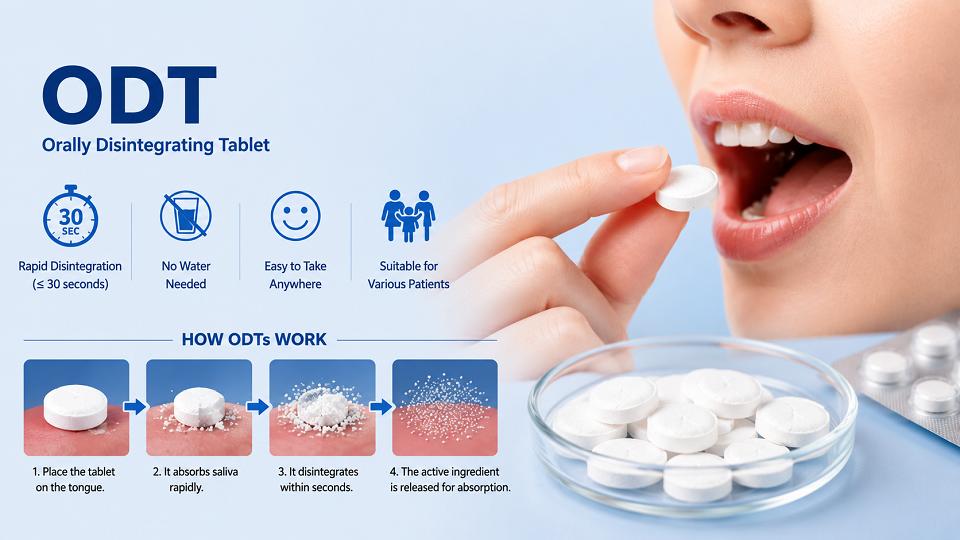
таблетки, диспергируемые в полости рта
С точки зрения фармацевтического производства, производители таблеток, диспергируемых в полости рта, должны рассматривать рыночный спрос, нормативные требования, свойства материалов, производственные технологии, оборудование и защиту упаковки как единую систему.
Традиционные таблетки остаются одной из наиболее широко используемых пероральных лекарственных форм, но они требуют от пациентов проглатывания относительно цельной твердой лекарственной формы, обычно запивая водой. Это может быть сложно для определенных групп. ODT решают эту проблему, предоставляя лекарственную форму, которая может быстро распадаться во рту.
Для фармацевтических компаний это создает несколько потенциальных преимуществ.
К таблеткам, диспергируемым в полости рта, предъявляются более строгие требования к характеристикам, чем к обычным таблеткам, поскольку они предназначены для быстрого распада в полости рта. Поэтому производителям необходимо контролировать не только качество активного фармацевтического ингредиента (API), но и такие критические показатели, как распадаемость, растворение, однородность дозирования, механическая прочность и стабильность при воздействии влаги.
Для производителей, ориентирующихся на основные фармацевтические рынки, наиболее важными ориентирами являются база FDA/USP (США) и EU GMP/Европейская фармакопея (Ph. Eur.).
США: FDA
В Соединенных Штатах FDA опубликовало Руководство для промышленности: Таблетки, диспергируемые в полости рта, которое содержит конкретные рекомендации по разработке продуктов ODT.
Быстрое распадание является одним из важнейших требований. Согласно FDA, время распада ODT in-vitro составляет около или менее 30 секунд. В руководстве также обсуждаются такие факторы, как размер таблетки, вес, растворимость компонентов состава и механическая прочность. Например, FDA обычно рекомендует, чтобы вес таблетки ODT не превышал 500 мг, если только больший вес не может быть надлежащим образом обоснован.
Европа: EU GMP
В Европе производство ODT должно соответствовать применимым требованиям EU GMP, которые изложены в EudraLex Volume 4. Стандарт GMP охватывает производство, контроль качества, помещения, оборудование, гигиену, документацию, предотвращение загрязнения и контроль процессов.
Для оборудования и производственных процессов особенно важно приложение EU GMP Annex 15 – Квалификация и валидация. Оно требует, чтобы производители определяли критические аспекты объектов, оборудования, инженерных систем и процессов, а также демонстрировали, что они должным образом квалифицированы и валидированы. Это напрямую относится к производственному оборудованию для ODT, такому как мельница, гранулятор, сушилка в кипящем слое, таблеточный пресс и упаковочная машина.
Свойства материалов в составах таблеток, диспергируемых в полости рта, напрямую влияют на процесс их производства и отличают их от обычных таблетированных форм. К наиболее важным свойствам относятся текучесть, прессуемость, размер частиц, чувствительность к влаге и скорость распадаемости.
Текучесть
Хорошая текучесть необходима для равномерной подачи и заполнения матриц. Однако некоторые составы ODT содержат высокопористые или низкоплотные вспомогательные вещества, которые могут обладать худшей текучестью. Это может привести к неравномерному заполнению матриц и колебаниям веса таблеток, что делает подготовку и смешивание порошка особенно важными этапами.
Прессуемость
ODT должны обладать достаточной механической прочностью и в то же время оставаться пористыми для быстрого распада. Чрезмерное сжатие может уменьшить пористость и замедлить распад, в то время как недостаточное сжатие может привести к хрупкости таблеток. Поэтому усилие прессования должно быть тщательно оптимизировано.
Размер и распределение частиц
Размер частиц влияет на текучесть порошка, однородность смешивания, сегрегацию и поведение при прессовании. Подходящее и относительно постоянное распределение частиц по размеру помогает обеспечить стабильную подачу и однородное качество таблеток. Поэтому измельчение и просеивание могут требовать более строгого контроля, чем для некоторых обычных таблетированных форм.
Чувствительность к влаге
Многие составы ODT чувствительны к влаге. Влага может изменить текучесть порошка, прессуемость и эффективность дезинтегрантов, а также повлиять на стабильность и распадаемость готовой таблетки. Поэтому контроль влажности во время обработки и сушки особенно важен.
Скорость распадаемости
Состав должен содержать материалы, обеспечивающие быстрое проникновение воды и разрушение таблетки. Тип и количество супердезинтегранта, пористость состава и условия прессования — все это влияет на конечную скорость распадаемости. Это требование создает ключевую производственную проблему: таблетка должна быть достаточно прочной для обработки, но достаточно пористой для быстрого распада.
Таблетки, диспергируемые в полости рта, могут быть изготовлены с использованием различных технологий в зависимости от свойств, характеристик состава, требуемой скорости распадаемости, масштаба производства и стоимости. Наиболее распространенные методы включают прямое прессование, грануляцию и прессование, сублимационную сушку, формование и сублимацию.
|
Методы производства |
Производственный процесс |
Преимущества |
Ограничения |
|
Прямое прессование |
Измельчение, просеивание, смешивание и прямое прессование порошковой смеси в таблетки без стадии грануляции. |
Процесс простой и короткий, с меньшими затратами на оборудование и производство. Он также позволяет избежать использования воды во время грануляции. |
Материалы должны легко течь и прессоваться. Плохая текучесть или сегрегация могут повлиять на вес таблетки и однородность содержания, в то время как чрезмерное сжатие может уменьшить пористость и замедлить распад. |
|
Грануляция и прессование |
Измельчение, просеивание, грануляция, калибровка, смешивание и прессование таблеток. Для улучшения текучести обычно используется влажная грануляция. |
Грануляция может улучшить текучесть материала, прессуемость и однородность содержания, что делает ее подходящей для составов, которые трудно обрабатывать методом прямого прессования. |
Это может привести к более высоким затратам из-за дополнительных этапов обработки и оборудования. При влажной грануляции также необходимо тщательно контролировать влажность и условия сушки. |
|
Сублимационная сушка |
Включает замораживание раствора или суспензии и удаление замороженного растворителя в вакууме, что создает высокопористую структуру таблетки. |
Высокопористая структура обеспечивает очень быстрое распадание и может обеспечить мягкое, приятное ощущение во рту. |
Процесс требует специализированного оборудования, более длительного времени обработки и более высоких производственных затрат. Таблетки, полученные методом сублимационной сушки, также относительно хрупкие и требуют осторожного обращения. |
|
Формование |
Формование превращает состав в таблетки с использованием низкого давления или формования с поддержкой давления, а не обычного прессования под высоким давлением. Процесс позволяет получить пористую структуру таблетки. |
Формование может обеспечить быстрое распадание при относительно низком давлении прессования. |
Из-за меньшей механической прочности формованные таблетки более подвержены повреждениям при дальнейшей обработке. Эффективность производства также может быть ниже, чем при обычном прессовании. |
|
Сублимация |
Он включает сублимируемый материал в состав формуляции. После формирования таблетки этот материал удаляется путем сублимации, оставляя пористую структуру, которая способствует быстрому распадению. |
Это может значительно повысить скорость распадения, не полагаясь исключительно на высокие концентрации суперсупердизинтегрантов. |
Удаление сублимируемого материала должно строго контролироваться. Такие таблетки также могут обладать меньшей механической прочностью. |
Выбор метода производства диспергируемых в полости рта таблеток (ODT) никогда не должен основываться только на стоимости. Необходимо сбалансировать свойства материалов, требования к стабильности, производственные мощности, сложность процесса и общие производственные затраты.
Среди доступных технологий прямое прессование и грануляция с последующим прессованием особенно привлекательны для традиционного производства таблеток, поскольку обе они могут быть integrated в существующие линии по производству твердых лекарственных форм. Давайте рассмотрим эти два процесса более подробно.
Прямое прессование — это относительно простой процесс, при котором порошок прессуется непосредственно в таблетки с помощью таблеточного пресса без грануляции. Основной процесс включает измельчение, просеивание, смешивание и прессование таблеток.
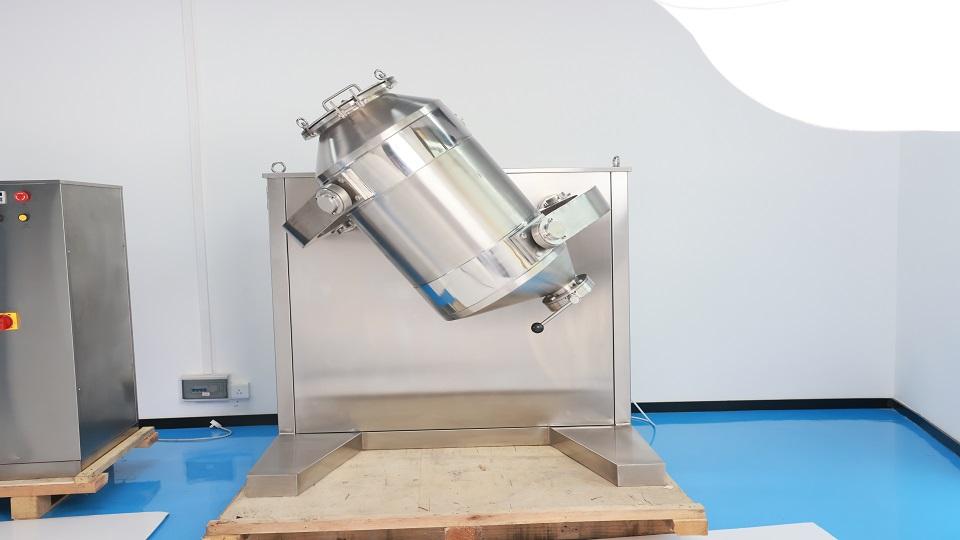 Трехмерный смеситель от Rich Packing
Сначала сырье проходит через мельницу для уменьшения размера частиц и разрушения агломератов, а затем через просеиватель для удаления слишком крупных частиц и достижения более равномерного гранулометрического состава. Затем подготовленные порошки переносятся в смеситель порошков, где механическое движение равномерно распределяет АФИ и вспомогательные вещества. Обычно используются V-образные и трехмерные смесители.
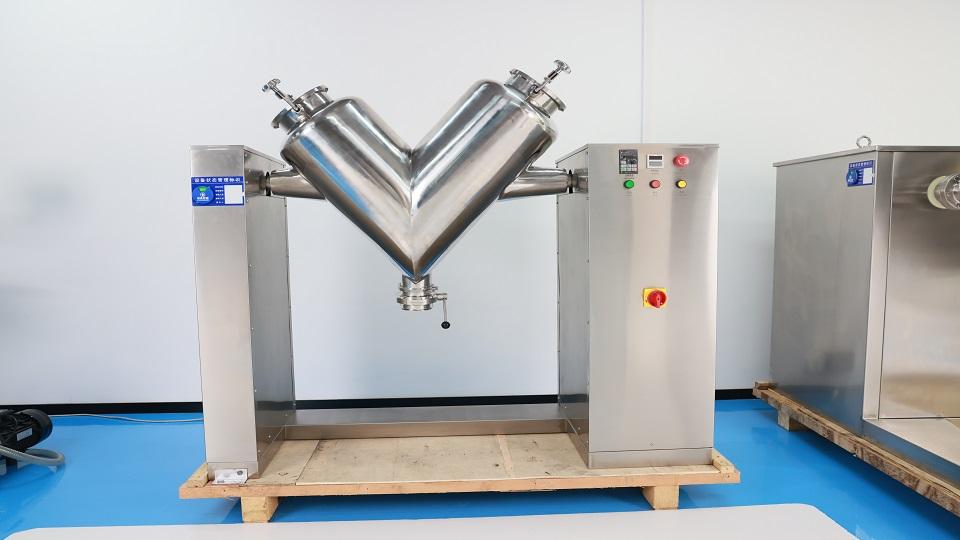 V-образный смеситель от Rich Packing
После этого смешанные материалы подаются непосредственно в таблеточный пресс. Система подачи непрерывно заполняет порошком матрицы, при этом глубина заполнения регулирует вес таблетки. Затем материалы подвергаются предварительному прессованию для удаления захваченного воздуха, за которым следует основное прессование для формирования таблетки. Наконец, нижний пуансон поднимается, чтобы вытолкнуть таблетки из матрицы.
Для ODT прессование требует особых мер для баланса между механической прочностью и быстрым распадением. Чрезмерное прессование может снизить пористость таблетки и замедлить распадение, а недостаточное прессование может привести к сколам или поломке. Поэтому такие параметры, как вес таблетки, толщина, усилие прессования и твердость, должны быть надлежащим образом оптимизированы.
Грануляция и прессование включают аналогичный процесс подготовки и прессования, но добавляют влажную грануляцию и сушку в кипящем слое для улучшения сыпучести и прессуемости состава. Типичный процесс включает измельчение, просеивание, влажную грануляцию, сушку в кипящем слое, калибровку, смешивание и прессование таблеток.
После измельчения и просеивания порошки поступают в высокоскоростной влажный гранулятор. Вращающийся импеллер смешивает материалы со связующим раствором, а измельчитель разбивает и объединяет материал для образования однородных влажных гранул. После этого мелкий порошок превращается в гранулы с лучшей сыпучестью и прессуемостью.
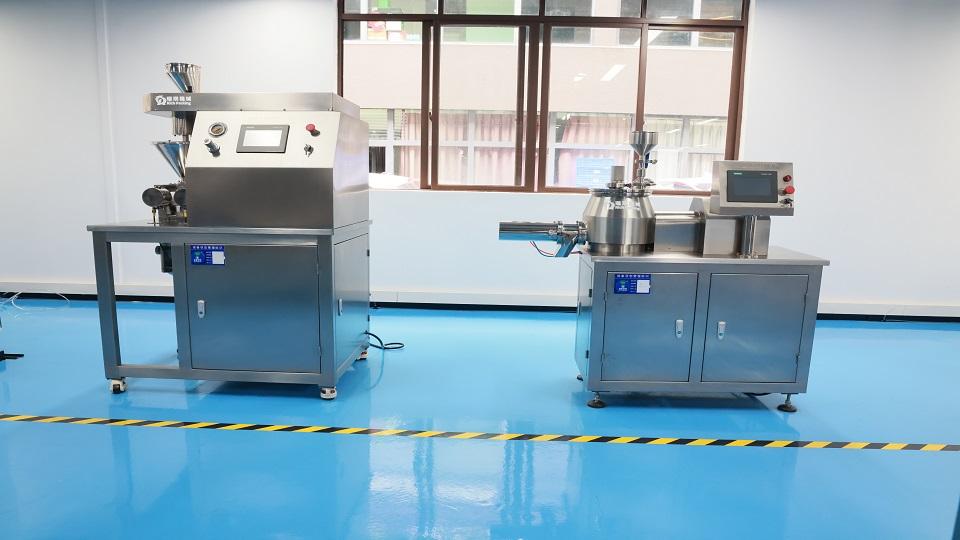 влажный гранулятор
Затем наступает черед сушилки кипящего слоя. В этом процессе нагретый и профильтрованный воздух проходит через гранулы и псевдоожижает их. Непрерывный контакт между сушильным воздухом и влажными гранулами способствует быстрому и равномерному удалению влаги. Температура входящего воздуха, поток воздуха и время сушки должны контролироваться для достижения требуемой остаточной влажности, так как избыточная или недостаточная влажность может повлиять на текучесть гранул, прочность таблеток и распадение ODT.
Затем высушенные гранулы обрабатываются на калибровочной машине для разрушения слишком крупных агломератов и получения подходящего гранулометрического состава. Впоследствии они передаются в смеситель для смешивания со смазывающими веществами и другими вспомогательными веществами внешней фазы перед прессованием таблеток.
Наконец, таблетировочная машина для прессования в таблетки. Как и при прямом прессовании, усилие прессования должно быть оптимизировано для обеспечения достаточной механической прочности без чрезмерного снижения пористости, необходимой для быстрого распада.
По сравнению с прямым прессованием этот процесс обеспечивает лучший контроль текучести и сжимаемости, но требует дополнительного оборудования, более длительного времени обработки и более строгого контроля условий грануляции и сушки.
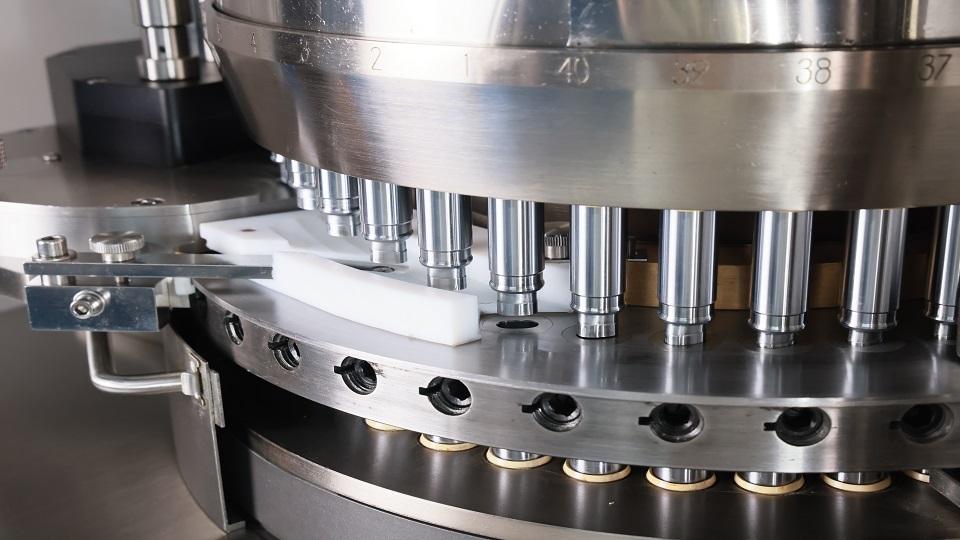 Высокоскоростная таблетировочная машина от Rich Packing
После завершения прессования таблеток таблетка, диспергируемая в полости рта, еще не является готовым фармацевтическим продуктом. Упаковка становится особенно важной, поскольку характеристики материала, позволяющие ODT впитывать слюну и быстро распадаться, также могут сделать продукт более уязвимым к влаге окружающей среды.
Для многих продуктов ODT блистерная упаковка является распространенным вариантом, особенно когда важны защита индивидуальной дозы и защита от влаги. Двумя распространенными вариантами являются блистерная упаковка Alu-PVC и упаковка Alu-Alu.
В блистерной упаковке Alu-PVC в качестве формуемой пленки используется ПВХ или ПВХ с покрытием ПВДХ, а в качестве материала крышки — алюминиевая фольга. ПВХ обеспечивает хорошую формуемость и прозрачность, в то время как ПВДХ может обеспечить улучшенные барьерные свойства по отношению к влаге и кислороду по сравнению со стандартным ПВХ. Эта структура обеспечивает хорошую видимость, гибкий дизайн ячеек, относительно низкую стоимость упаковки и высокую эффективность производства, что делает ее широко используемым вариантом для обычных твердых лекарственных форм.
Что касается блистерной упаковки Alu-Alu, алюминиевые материалы используются как для формуемой, так и для покрывной стороны. Поскольку продукт заключен в барьерные материалы на основе алюминия, блистерные упаковки Alu-Alu обеспечивают превосходную защиту от влаги, кислорода и света, а также надежную защиту от внешних условий окружающей среды.
Alu-Alu особенно подходит для таблеток, диспергируемых в полости рта, поскольку многие составы ODT чувствительны к влаге и зависят от тщательно контролируемой пористой структуры. Воздействие влаги во время хранения может изменить физические свойства таблетки, повлиять на ее механическую прочность и поведение при распаде. Высокие барьерные характеристики упаковки Alu-Alu помогают минимизировать проникновение влаги и поддерживать заданные характеристики ODT в течение всего срока годности.
Поэтому, хотя Alu-PVC/PVDC остается практичным и экономичным выбором для многих продуктов ODT, Alu-Alu, как правило, является предпочтительным вариантом, особенно когда защита от влаги является критическим требованием.
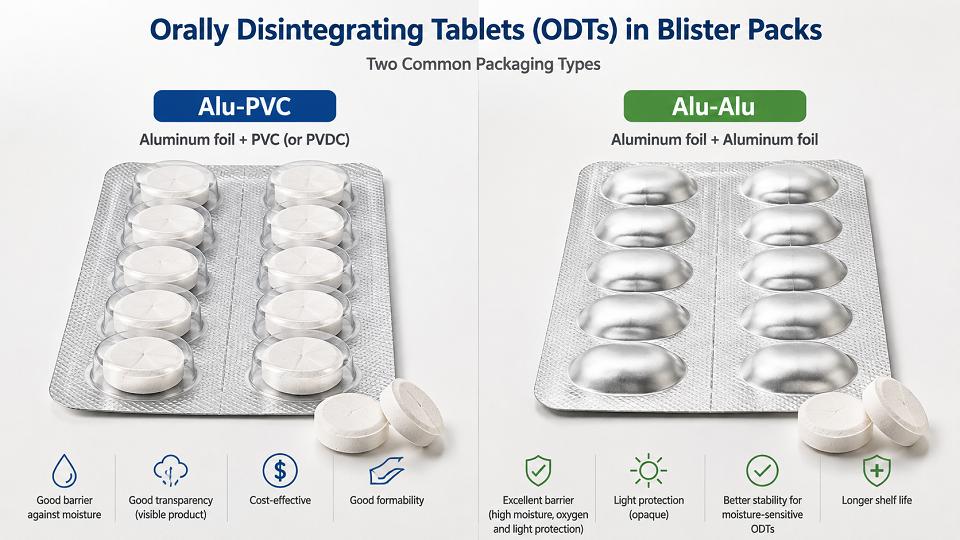
Блистерная упаковка Alu-PVC и Alu-Alu
На протяжении всей производственной линии после прессования таблеток таблетки, диспергируемые в полости рта, могут быть переданы непосредственно на последующую обработку, включая таблеточный обеспыливатель и металлодетектор, а также на упаковочное оборудование, включая блистерную упаковочную машину и картонажную машину.
После таблетировочной машины таблетки сначала проходят через таблеточный обеспыливатель, который бережно удаляет свободный порошок и частицы с поверхности таблетки. Затем в линию может быть встроен металлодетектор для обнаружения и автоматического отбраковывания таблеток, содержащих металлические загрязнения, что помогает повысить безопасность продукта и контроль качества.
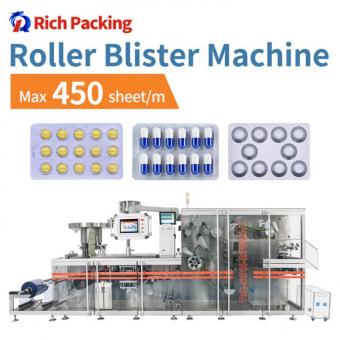
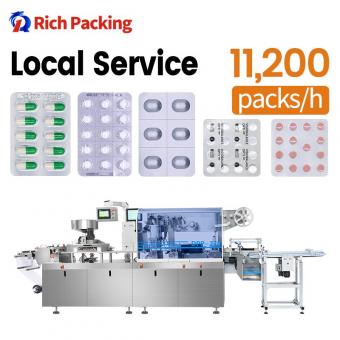
Затем таблетки поступают в блистерную упаковочную машину. Машина формирует ячейки, точно подает таблетки в каждую ячейку, наносит алюминиевую фольгу для покрытия, запечатывает блистер и затем разрезает блистерные упаковки в соответствии с требованиями.
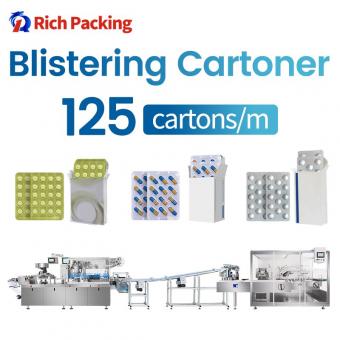
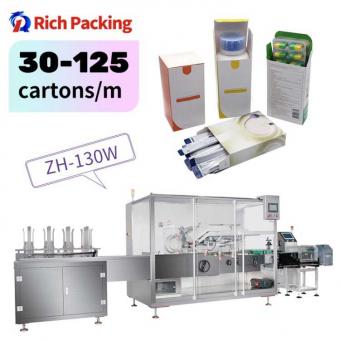
После блистерной упаковки блистеры передаются на картонажную машину. Машина автоматически открывает и формирует плоские картонные заготовки, вставляет блистерные упаковки и информационный листок в картонные пачки и закрывает их для получения готового упакованного продукта.
Этот интегрированный процесс соединяет прессование таблеток, обеспыливание и металлодетекцию, блистерную упаковку и картонаж, сокращая ручной труд и повышая эффективность производства. Для продуктов ODT надлежащий контроль на всей линии помогает сохранить целостность таблеток, обеспечивая надежную защиту и удобную упаковку.
Линия блистерной упаковки и картонажа Rich Packing
Таблетки, диспергируемые в полости рта, широко используются в фармацевтической промышленности, производстве БАД и других товаров для здоровья. Их способность быстро распадаться во рту обеспечивает максимальное удобство при сохранении всех преимуществ твердых пероральных лекарственных форм. Прямое прессование и грануляция с последующим прессованием — два широко используемых подхода в промышленном производстве.
Для производителей ODT крайне важно выбрать правильное оборудование и технологический процесс в соответствии с производственными потребностями. Rich Packing может предоставить оборудование для всей производственной и упаковочной линии, включая измельчительную машину, просеиватель, смеситель порошков, влажный гранулятор, сушилку кипящего слоя, калибровочную машину, таблеточный пресс, обеспыливатель таблеток, металлодетектор, блистерную упаковочную машину и картонажные машины.
Мы также предлагаем комплексные решения по производству и упаковке фармацевтической продукции с учетом рецептуры каждого клиента, производственной мощности, характеристик таблеток, требований к упаковке и условий производства. Наша техническая команда может оценить ваши требования и предоставить профессиональные рекомендации и индивидуальные решения, которые помогут вам добиться стабильного, эффективного и надежного производства ODT.
Таблетки, диспергируемые в полости рта — это твердые лекарственные формы, предназначенные для быстрого распада во рту, как правило, без необходимости запивать таблетку водой. Для пациентов, испытывающих трудности с проглатыванием обычных таблеток, ODT являются более удобным выбором.
Согласно FDA, время распада ODT in-vitro составляет около 30 секунд или менее. Однако конкретные требования к распаду зависят от рецептуры продукта, применимых нормативных стандартов и валидированных методов испытаний.
Пациенты, испытывающие трудности с проглатыванием, включая детей, пожилых людей и пациентов с определенными ограничениями глотания, могут получить особую пользу от ODT.
Прямое прессование смешивает подготовленные порошки и прессует их непосредственно в таблетки. Грануляция добавляет стадию гранулирования и сушки перед прессованием таблеток, что может улучшить текучесть и прессуемость порошка. Это полезно, когда рецептура не подходит для прямого прессования, но требует большего количества оборудования, технологических этапов и контроля процесса.
Alu-PVC/PVDC обеспечивает хорошую формуемость, видимость и экономичность, тогда как Alu-Alu обеспечивает значительно более высокий барьер от влаги, кислорода и света. Упаковке Alu-Alu часто отдают предпочтение для ODT, которые особенно чувствительны к влаге. Окончательный выбор должен основываться на требованиях к сроку годности, условиях хранения и стоимости.

29+ years in pharmaceutical machinery, covering capsule filling, tablet pressing, blister packaging, tablet and capsule counting, cartoning, GMP production, and overseas machine service.

Электронное письмо : manager@richpacking.cn
Building D, No. 226, Beishan Qiaotou Street, Haizhu District, Guangzhou City, Guangdong Province, China


 Поддерживается сеть IPv6