






 Дом
Дом Продукты
29+ years in pharmaceutical machinery, covering capsule filling, tablet pressing, blister packaging, tablet and capsule counting, cartoning, GMP production, and overseas machine service.

Оранжевые флаконы для таблеток часто встречаются в аптеках и домах, но их цвет — это не просто дизайнерское решение. Янтарно-оранжевый внешний вид имеет практическое назначение: он помогает уменьшить воздействие света и защищает находящееся внутри лекарство.
Свет может влиять на стабильность некоторых таблеток и капсул. Когда лекарства в течение длительного времени подвергаются воздействию неподходящих условий, их качество может измениться. Флаконы янтарного цвета помогают ограничить количество света, достигающего содержимого, при этом оставаясь достаточно прозрачными для базового визуального осмотра.
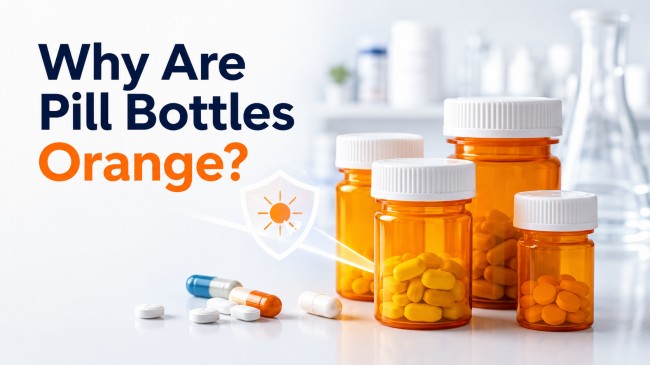
Однако оранжевый цвет — лишь одна часть конструкции флакона. Материал, крышка, уплотнение, контроль влажности, маркировка и условия хранения — всё это влияет на то, насколько хорошо упаковка защищает лекарство. Разным продуктам требуется разный уровень защиты, поэтому одни лекарства используют янтарные флаконы, а другие упаковываются в непрозрачные контейнеры, блистерные упаковки или другие форматы.
Понимание того, почему флаконы для таблеток имеют оранжевый цвет, является отправной точкой для понимания того, как дизайн упаковки помогает сохранять качество лекарств от производства до повседневного использования.
Флаконы для таблеток обычно оранжевые, потому что упаковка янтарного цвета помогает уменьшить воздействие света. В фармацевтической упаковке, термин «янтарный» обычно используется для обозначения коричневато-оранжевого цвета, который встречается у многих флаконов для лекарств.
Некоторые лекарства чувствительны к свету. Постоянное воздействие определённых длин волн может способствовать химическим изменениям, которые влияют на стабильность продукта. Для таких продуктов контроль воздействия света является важной частью сохранения качества во время хранения и распространения.
Янтарные флаконы помогают, поглощая или фильтруя часть попадающего света до того, как он достигает находящихся внутри таблеток или капсул. По сравнению с прозрачными контейнерами они пропускают меньше ультрафиолетового света и часть видимого света.
Уровень защиты зависит от нескольких факторов, включая:
Сам по себе оранжевый цвет не делает лекарство сильнее и не гарантирует полную защиту. Флакон — лишь одна часть общей системы упаковки. Лекарства всё равно следует хранить в соответствии с инструкциями, указанными на этикетке.
Например, размещение янтарного флакона под прямыми солнечными лучами, при чрезмерной температуре или высокой влажности может подвергнуть содержимое условиям, от которых упаковка не была разработана для защиты.
Причина, по которой янтарные флаконы остаются популярными, заключается в том, что они обеспечивают практичный баланс. Они уменьшают нежелательное воздействие света, одновременно позволяя пользователям и фармацевтам видеть содержимое внутри.
Такое сочетание защиты и видимости делает янтарные флаконы распространённым выбором для многих таблеток и капсул.
Если уменьшение воздействия света так важно, может показаться, что полностью непрозрачный флакон всегда был бы лучшим выбором. Однако упаковка лекарств должна сочетать защиту с удобством использования.
Янтарные флаконы остаются частично прозрачными, потому что видимость также имеет практическое значение. Фармацевт или пользователь может проверить наличие таблеток или капсул, оценить общий вид содержимого и заметить очевидные проблемы, не открывая упаковку.
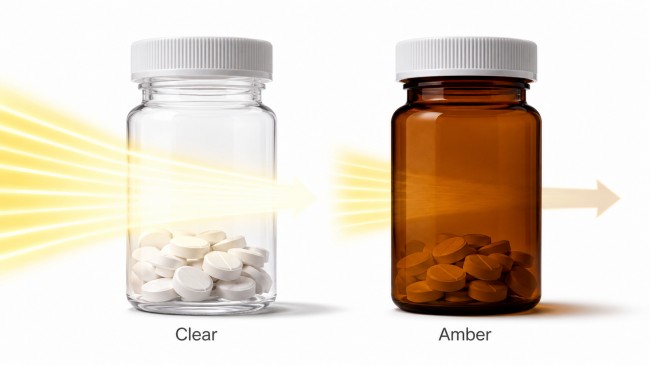
Это помогает уменьшить необходимость лишний раз открывать флакон, что может подвергнуть содержимое воздействию воздуха и влаги.
Различный внешний вид флаконов обеспечивает разные преимущества:
|
Внешний вид флакона |
Главное преимущество |
Главное ограничение |
|
Прозрачный |
Лёгкая видимость содержимого |
Ограниченная защита от света |
|
Янтарный/оранжевый |
Баланс между видимостью и защитой от света |
Не блокирует весь свет |
|
Непрозрачный |
Более сильный барьер от света |
Содержимое нельзя увидеть напрямую |
Лучший выбор зависит от требований к лекарству. Некоторым продуктам требуется более сильная защита от света, тогда как другим удобнее иметь возможность визуального осмотра.
Таким образом, дизайн янтарной бутылочки представляет собой компромисс между защитой продукта и практичностью использования упаковки.
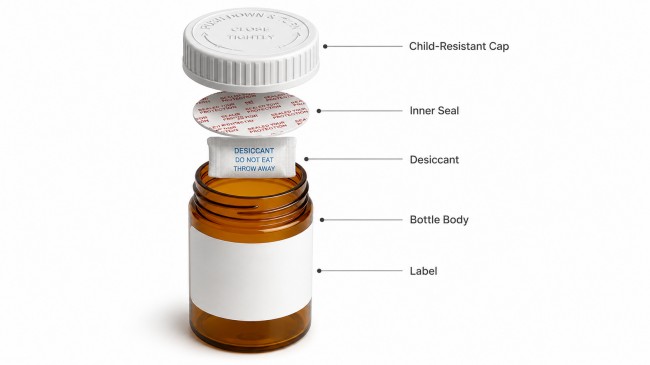
Цвет бутылочки — лишь первый заметный внешний признак. Полноценная бутылочка для лекарства зависит от совместной работы нескольких элементов дизайна.
Цвет флакончика для таблеток легко заметить, но материал, стоящий за этим цветом, играет не менее важную роль. Две бутылочки могут выглядеть одинаково снаружи, но обеспечивать разный уровень защиты, поскольку их материалы, конструкции и производственные процессы отличаются.
Бутылочки для лекарств обычно изготавливаются из пластика или стекла. Пластиковые бутылочки широко используются, поскольку они легкие, прочные и подходят для эффективной транспортировки и крупносерийной упаковки. Разные пластиковые материалы могут обеспечивать разные уровни прочности, устойчивости к влаге и совместимости с продуктом.
Стеклянные бутылочки также используются для некоторых лекарств, поскольку они могут обеспечивать хорошие барьерные свойства и химическую стабильность. Однако стекло тяжелее пластика и требует дополнительного учета при транспортировке и обращении.
Материал бутылочки должен соответствовать требованиям находящегося внутри продукта. Подходящая емкость должна защищать лекарство, не оказывая негативного влияния на его качество. Такие факторы, как воздействие влаги, чувствительность к свету, химическая совместимость и предполагаемые условия хранения, влияют на выбор упаковочного материала.
Дизайн бутылочки также включает размер и внутреннее пространство емкости. Слишком большая бутылочка может создавать ненужное свободное пространство, а слишком маленькая может влиять на эффективность наполнения и удобство использования. Производителям необходимо учитывать размер таблеток или капсул, количество в одной бутылочке и необходимость дополнительных компонентов, таких как осушители.
Именно поэтому решения в области фармацевтической упаковки основываются не только на внешнем виде. Оранжевый цвет может быть самым узнаваемым признаком, но материал бутылочки, конструкция и система закрытия вместе создают комплексную защитную упаковку.
Сама бутылочка не может обеспечить полную защиту без подходящей системы закрытия. Крышка, уплотнение и отверстие бутылочки работают вместе, помогая сохранять качество лекарства во время хранения и транспортировки.
Многие бутылочки для лекарств используют крышки с защитой от детей, разработанные для снижения риска случайного открытия маленькими детьми. Такие закрывающие элементы предназначены для усложнения открытия при сохранении возможности правильного использования взрослыми.
Защита от детей не означает абсолютную безопасность для детей. Защитная крышка может снизить риск, но не может заменить правильные условия хранения. Лекарство по-прежнему следует хранить в безопасном месте и использовать в соответствии с инструкциями к продукту.
Крышка также способствует целостности упаковки. Правильно установленное закрытие помогает уменьшить ненужное воздействие воздуха, влаги и загрязнений. Конструкция крышки, горлышка бутылочки и системы уплотнения должны работать вместе для обеспечения надежной работы.
Некоторые бутылочки также имеют внутреннее уплотнение, например индукционное уплотнение, под крышкой. Такое уплотнение обеспечивает видимое подтверждение того, что упаковка не была открыта до использования, и может добавить еще один уровень защиты.
Поврежденное или неполное уплотнение может повлиять на ожидаемые характеристики упаковки. По этой причине качество герметизации является важным фактором при упаковке лекарств в бутылочки.
Свет — не единственный фактор, который может влиять на стабильность лекарства. Некоторые таблетки и капсулы также чувствительны к влаге.
Влажность может влиять на внешний вид продукта, твердость, стабильность и общее качество в зависимости от состава. Для таких продуктов внутрь бутылочки может помещаться осушитель, чтобы помочь контролировать уровень влаги.
Осушители обычно используются с чувствительными к влаге таблетками и капсулами. Они поглощают или уменьшают количество влаги внутри закрытой упаковки, помогая создать более подходящие условия хранения.
Однако осушитель является лишь одной частью упаковочной системы. Он не заменяет подходящий материал бутылочки, надежное закрытие или правильные условия хранения.
Необходимость контроля влажности зависит от самого продукта, предполагаемых условий хранения и конструкции упаковки. Некоторым лекарствам требуется дополнительная защита, тогда как другие могут использовать более простую конфигурацию бутылочки.
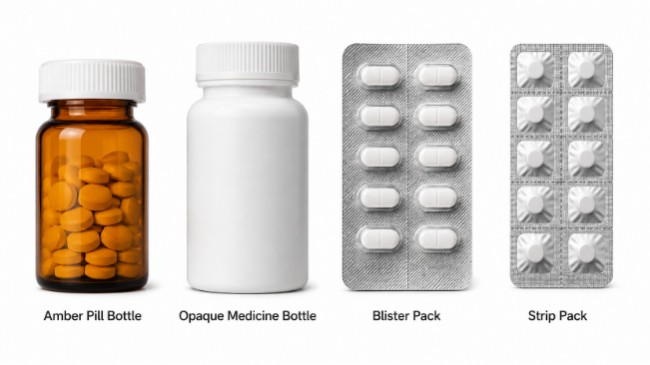
Хотя оранжевые флакончики для таблеток широко узнаваемы, они не являются лучшим выбором для каждого лекарства. Выбор упаковки зависит от состава продукта, чувствительности, лекарственной формы, требований к хранению и способа применения лекарства.
Некоторым лекарствам требуется более сильная защита от света, поэтому для них могут использоваться непрозрачные емкости. Другим могут требоваться определенные материалы из-за особенностей совместимости или стабильности.
Блистерные упаковки и упаковки в полосках также являются распространенными альтернативами для таблеток и капсул. Вместо хранения нескольких доз вместе в одной емкости эти форматы помещают отдельные дозы в отдельные герметичные секции.
Упаковка в бутылочках и блистерная упаковка служат разным целям.
|
Тип упаковки |
Главное преимущество |
Обычный аспект, требующий учета |
|
Янтарная бутылочка |
Удобное хранение с уменьшенным воздействием света |
Несколько доз находятся в одной емкости |
|
Непрозрачная бутылочка |
Более сильная защита от света |
Содержимое невозможно просмотреть напрямую |
|
Блистерная упаковка |
Индивидуальная защита дозы |
Каждую дозу необходимо извлекать отдельно |
|
Упаковка в стрипах |
Компактная герметичная упаковка |
Способ открытия отличается от бутылок |
Упаковка во флаконах часто удобна, когда пользователи принимают повторные дозы из одной и той же ёмкости. Она хорошо подходит для продуктов, которые отпускаются в больших количествах.
С другой стороны, блистерная упаковка часто выбирается, когда важны индивидуальная защита дозы, переносимость или организация дозирования.
Выбор между флаконами, блистерами, стрипами и другими форматами основывается не только на внешнем виде. Цель состоит в выборе упаковки, которая обеспечивает подходящую защиту и одновременно поддерживает хранение, транспортировку и повседневное использование.
Готовый флакон с таблетками выглядит просто, когда он попадает на полку аптеки, но его стабильное производство требует выполнения нескольких связанных этапов упаковки.
В промышленном производстве пустые флаконы сначала выстраиваются и перемещаются по упаковочной линии. Затем таблетки или капсулы поступают в систему счёта, где датчики определяют и подсчитывают каждый продукт перед наполнением.
Точный подсчёт важен, поскольку каждый флакон должен содержать правильное количество. Таблетки и капсулы могут различаться по размеру, форме, весу и характеристикам поверхности, поэтому процесс подачи и подсчёта необходимо тщательно контролировать.
Типичный процесс упаковки во флаконы включает:
1.Подача и размещение флаконов
2.Подсчёт таблеток или капсул
3.Наполнение продуктом
4.Вставка осушителя при необходимости
5.Установка и затягивание крышки
6.Индукционная герметизация
7.Наклеивание этикеток и нанесение кодов партий
8.Финальная проверка
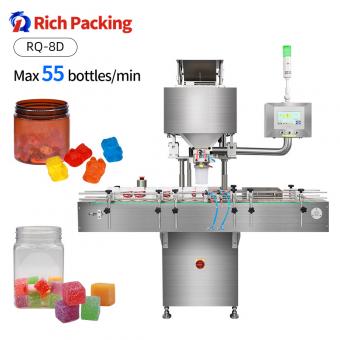
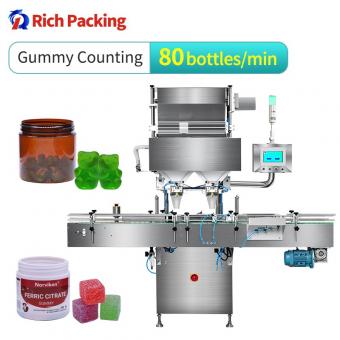
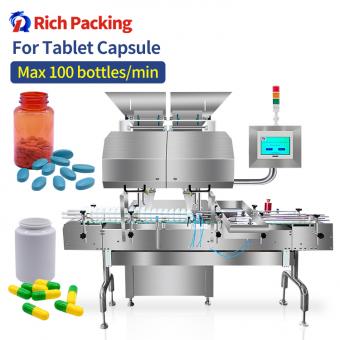
Асчётная машина для таблеток или счётная машина для капсул помогает производителям достигать стабильной точности наполнения. При более высоких требованиях к производству автоматическая линия для подсчёта таблеток и капсул может объединять процессы подсчёта, наполнения, герметизации, маркировки и проверки в один рабочий процесс. Такой тип интегрированной системы помогает сократить ручное перемещение между различными этапами упаковки и обеспечивает более стабильные операции по упаковке во флаконы.
Автоматические линии подсчёта таблеток Rich Packing объединяют функции подсчёта и упаковки таблеток и капсул, а их конфигурации могут включать обработку флаконов, наполнение, герметизацию и другие последующие процессы в соответствии с требованиями производства.
Автоматизация заключается не только в увеличении скорости. Надёжная упаковочная линия помогает поддерживать стабильное количество, надёжное закрытие, полную герметизацию и читаемые этикетки при больших объёмах производства.
Точная конфигурация оборудования зависит от типа продукта, конструкции флакона и требований к качеству. Небольшое аптечное устройство для подсчёта и промышленная система подсчёта и наполнения могут обе считать таблетки, но они предназначены для разных производственных условий.
Возможность переработки пустого флакона для таблеток зависит от материала флакона и местных правил переработки.
Многие флаконы для лекарств изготовлены из перерабатываемого пластика, но их приём зависит от конкретных систем переработки. Небольшие ёмкости иногда сложно обрабатывать сортировочному оборудованию из-за их размера и формы.
Перед переработкой пустого флакона для таблеток пользователи должны:
·удалить или закрыть личную информацию на этикетках;
·убедиться, что внутри не осталось лекарств;
·соблюдать местные требования по переработке.
Неиспользованные лекарства не следует помещать в контейнеры для переработки. Их необходимо утилизировать через утверждённые программы утилизации в соответствии с местными рекомендациями.
Правила переработки различаются в зависимости от региона, поэтому проверка местных требований — лучший способ определить, можно ли принять конкретную бутылочку.
В большинстве оранжевых флаконов для таблеток используется материал янтарного цвета, поскольку он помогает уменьшить воздействие света, сохраняя при этом видимость содержимого для базовой проверки.
Нет. Янтарные флаконы уменьшают воздействие определённых видов света, но фактическая защита зависит от материала флакона, толщины, конструкции и условий хранения.
Блистерные упаковки защищают отдельные дозы по отдельности и могут улучшить удобство переноски и организацию приёма доз. Флаконы часто удобны для хранения больших количеств вместе.
Многие оранжевые флаконы для таблеток оснащены крышками, защищёнными от детей. Такие закрывающие устройства снижают риск случайного открытия, но не предотвращают доступ полностью.
Некоторые пустые флаконы для таблеток можно перерабатывать, но возможность приёма зависит от местных систем переработки и материалов флаконов.
Оранжевые флаконы для таблеток имеют такой цвет не просто ради внешнего вида. Янтарный цвет — это практичный выбор упаковки, который помогает уменьшить воздействие света, сохраняя при этом видимость содержимого.
Однако защита лекарства зависит от полной конструкции флакона. Материалы, закрывающие элементы, уплотнения, контроль влажности, маркировка и условия хранения — всё это способствует сохранению качества продукта.
От флакона на аптечной полке до автоматизированной линии упаковки, которая его производит, каждый элемент конструкции играет роль в защите лекарства на протяжении всего его жизненного цикла.
Простой оранжевый флакон представляет собой сочетание науки об упаковке, выбора материалов и производственного контроля, работающих вместе, чтобы помочь сохранить стабильность лекарств и их готовность к использованию.

29+ years in pharmaceutical machinery, covering capsule filling, tablet pressing, blister packaging, tablet and capsule counting, cartoning, GMP production, and overseas machine service.

Электронное письмо : manager@richpacking.cn
Building D, No. 226, Beishan Qiaotou Street, Haizhu District, Guangzhou City, Guangdong Province, China


 Поддерживается сеть IPv6