






 Дом
Дом Продукты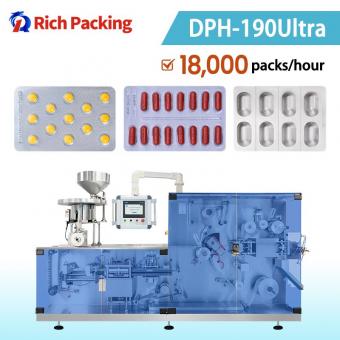



29+ years in pharmaceutical machinery, covering capsule filling, tablet pressing, blister packaging, tablet and capsule counting, cartoning, GMP production, and overseas machine service.

Форма таблеток выбирается не только из-за внешнего вида. Таблетка может быть круглой, овальной, капсулообразной, плоской, изогнутой или слегка вытянутой, поскольку такая форма соответствует сочетанию требований к дизайну продукта, производству, покрытию, обращению и упаковке.
Для многих людей первое, на что они обращают внимание, — это внешний вид таблетки. Один препарат может быть маленьким и круглым. Другой может быть более длинным и гладким. Некоторые таблетки похожи на капсулы, в то время как другие имеют простую круглую форму. Эти различия могут помочь легче распознать препарат, но одной лишь формы никогда не следует использовать для идентификации лекарства. Упаковка, этикетка и рекомендации специалистов по-прежнему являются надежными источниками информации, когда идентификация имеет значение.
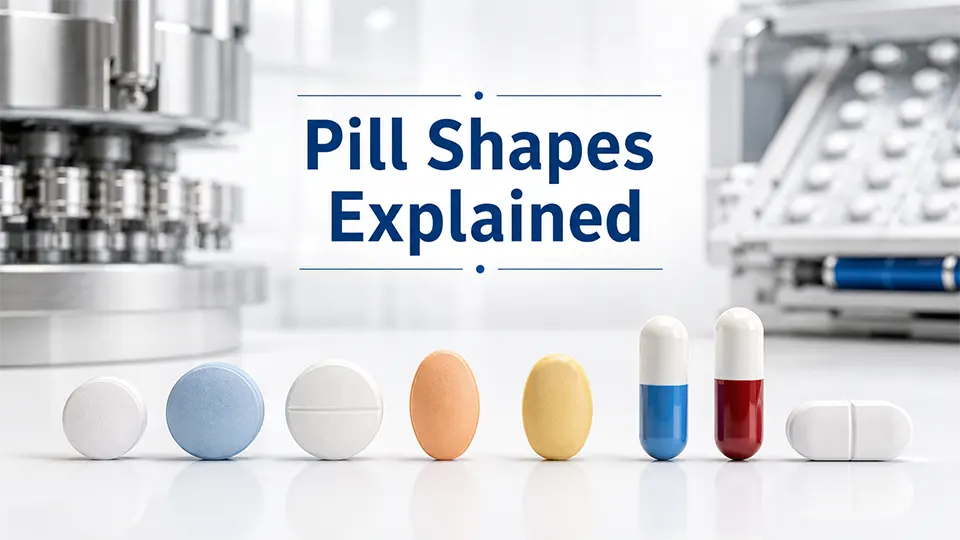
С точки зрения производства, форма таблетки влияет на то, как порошок спрессовывается внутри неё. таблеточный пресс Насколько плавно таблетки выходят из оснастки, насколько равномерно покрытие таблетки покрывает поверхность и насколько стабильными остаются таблетки во время подачи, подсчета, блистерной упаковки, розлива в бутылки и картонные коробки. Даже простая круглая форма может потребовать тщательного контроля в процессе производства.
Выбор упаковки также является важным фактором. Круглые таблетки часто легко проходят через множество систем подачи и подсчета. Таблетки овальной и капсулообразной формы могут улучшить удобство обращения и глотания, но требуют большего внимания к конструкции блистерной полости, ориентации, равномерности покрытия и стабильности подсчета в бутылке. Для производителей окончательная форма таблетки должна быть удобна на всей производственной линии, а не только на этапе прессования таблеток.
Форма таблеток обычно отражает баланс между функциональностью продукта, практичностью производства и удобством использования. Она не случайна и не является лишь маркетинговым ходом.
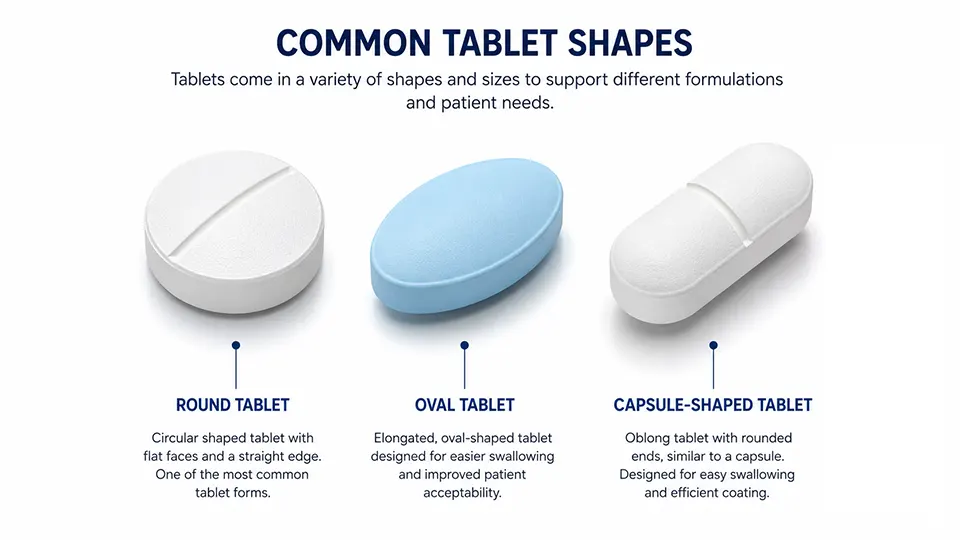
Круглая таблетка — одна из наиболее распространенных форм, поскольку ее легко прессовать, легко покрывать оболочкой и она, как правило, стабильна при обращении. Круглые таблетки также подходят для многих стандартных блистерных упаковок и систем подсчета таблеток в бутылках. Для крупномасштабного производства таблеток эта форма часто предоставляет производителям практичную отправную точку.
Овальные таблетки часто используются, когда продукту требуется больше места для активных ингредиентов или вспомогательных веществ, но при этом они не становятся слишком толстыми. Вытянутая форма иногда может показаться удобнее в обращении, чем толстая круглая таблетка, но она также меняет способ перемещения таблетки через подающие устройства, лотки для покрытия, блистерные каналы и счетные каналы.
Таблетки капсулообразной формы, иногда называемые каплетами, имеют более длинную и гладкую форму, чем обычные круглые таблетки. Такая форма способствует более чистому внешнему виду продукта и может подходить для больших объемов лекарственных форм, но требует соответствующих условий хранения. штампы и штампы во время прессования таблеток. Более длинное тело также нуждается в стабильном движении во время нанесения покрытия и упаковки.
В некоторых таблетках используются нестандартные формы для повышения узнаваемости бренда, в рамках дизайна линейки продуктов или для удовлетворения особых производственных потребностей. Такие формы могут помочь продукту выделиться, но также могут создавать дополнительные сложности. Необычные края, углы или изгибы могут влиять на покрытие таблеток, образование пыли, стабильность переноса и настройку упаковочной линии.
При планировании производства следует учитывать форму таблеток, а также параметры подачи, нанесения покрытия, блистерной упаковки и стабильность при подсчете таблеток в бутылках. Компания Rich Packing предоставляет техническую документацию, инструкции по установке и удаленную видеоподдержку, чтобы помочь клиентам подобрать оборудование в соответствии с реальными требованиями к продукции.

Круглые таблетки распространены, потому что они практичны. Круглую форму легко придать с помощью стандартного инструмента, и обычно они предсказуемо перемещаются через оборудование для прессования, нанесения покрытия, подачи и упаковки.
В процессе прессования таблеток круглые пуансоны и матрицы помогают равномерно распределить давление по всей таблетке, обеспечивая сбалансированную форму. При этом свойства формулы по-прежнему имеют значение. Текучесть порошка, твердость таблетки, толщина таблетки и сила прессования — все это влияет на конечный продукт. По сравнению со сложными формами, круглые таблетки часто предоставляют производственным группам меньше механических переменных для управления.
Круглые таблетки также подходят для многих процессов нанесения покрытия. Они равномерно вращаются внутри емкости для нанесения покрытия, что помогает жидкости для покрытия более равномерно распределяться по поверхности таблетки. Конечное качество покрытия по-прежнему зависит от скорости распыления, потока воздуха, скорости вращения емкости, контроля сушки и прочности таблеток.
Упаковка — еще одна причина широкого распространения этой формы. В бутылочной упаковке круглые таблетки обычно проходят через счетные каналы с меньшим контролем ориентации. В блистерной упаковке они подходят для многих стандартных конструкций ячеек. Для продукции больших объемов это может сократить время подготовки и повысить стабильность линии.
Таблетки овальной и капсулообразной формы часто используются, когда продукту требуется больше места для ингредиентов, но при этом он не становится слишком толстым. Более длинная форма позволяет вместить больше материала, сохраняя при этом визуальную гладкость таблетки по сравнению с очень большой круглой таблеткой.
Таблетка капсулообразной формы, часто называемая каплетом, выглядит длиннее и гладче, чем стандартная круглая таблетка, хотя она изготавливается методом прессования, а не наполнения капсулы. Такая форма распространена во многих пищевых добавках и безрецептурных препаратах, поскольку придает готовой таблетке аккуратный и привычный вид.
Производственный процесс требует тщательной настройки. Для таблеток большей длины необходимы соответствующие пуансоны и матрицы, стабильное заполнение порошком, чистое извлечение и хорошая прочность кромок. Если состав слипается, крошится, расслаивается или образует слабые края, может потребоваться корректировка формы перед началом промышленного производства.
Упаковка также должна соответствовать форме. Для таблеток овальной и капсулообразной формы часто требуются более длинные блистерные ячейки, подходящие пути переноса и стабильный контроль количества таблеток в бутылке. Если один и тот же продукт будет выпускаться как в блистерной, так и во флаконной форме, форму следует протестировать в обоих вариантах на раннем этапе.
Размер таблетки обычно зависит от состава. Для продукта с большим количеством активного ингредиента, вспомогательного вещества или особыми требованиями к высвобождению может потребоваться таблетка большего размера. Низкодозовая формула может поместиться в таблетку меньшего размера, но продукт все равно должен обладать достаточной прочностью для покрытия, переноса, упаковки и транспортировки.
Размер также влияет на производственные процессы. Для больших таблеток может потребоваться большее усилие прессования и более мощная оснастка. Маленькие таблетки могут быть проще в упаковке в некоторых форматах, но их сложнее подавать, подсчитывать, проверять или точно отбраковывать на высоких скоростях.
В нормативных документах признается, что размер и форма таблеток и капсул могут влиять на удобство использования и комфорт для пользователя. Эти физические характеристики являются частью конструкции продукта, а не только его внешнего вида.
С точки зрения оборудования, размер таблеток влияет на работу таблеточного пресса. машина для нанесения покрытия на таблетки , устройство для удаления пыли с таблеток, блистерная упаковочная машина , и Линия подсчета и розлива таблеток Небольшое изменение толщины или длины может потребовать изменения оснастки, настроек нанесения покрытия, размера полости блистера, настройки подсчета бутылок или скорости переноса.
Изготовление таблеток начинается с пуансонов и матриц. Матрица определяет контур таблетки, а пуансоны формируют верхнюю и нижнюю поверхности. Для круглых, овальных, капсулообразных и нестандартных таблеток требуется оснастка, соответствующая задуманному дизайну.
Инструментальная оснастка влияет не только на внешний вид. Она может влиять на твердость таблеток, прочность кромок, их выталкивание, риск прилипания и свойства покрытия. Таблетка с глубокой вогнутостью может обеспечить гладкую поверхность, но для ее изготовления может потребоваться более жесткое прессование и контроль покрытия. Индивидуальная форма может улучшить узнаваемость продукта, но необычные кромки могут увеличить вероятность сколов или образования пыли, если состав недостаточно прочный.
Формулу и оснастку необходимо тестировать одновременно. Две таблетки одинаковой формы могут вести себя по-разному, если их порошки по-разному текут, сжимаются или высвобождаются. Производители обычно проверяют текучесть порошка, усилие сжатия, твердость таблеток, хрупкость и подвижность упаковки, прежде чем утвердить окончательный вариант конструкции.
Покрытие таблеток может изменить цвет, блеск, гладкость поверхности и конечный размер. Обычная прессованная таблетка до покрытия может выглядеть тусклой. После покрытия она может стать более гладкой, блестящей и удобной в обращении.
В зависимости от формулы, покрытие также может способствовать маскировке вкуса, защите от влаги, защите от света, улучшению внешнего вида бренда или контролю характеристик продукта. Форма влияет на результат. Круглые таблетки часто равномерно перемешиваются. Таблетки овальной и капсулообразной формы также хорошо покрываются, но для этого необходимы соответствующие движения в чаше, контроль распыления и условия сушки.
При проектировании упаковки следует учитывать не только непокрытую часть таблетки, но и ее внутреннюю оболочку. Даже небольшое увеличение толщины может повлиять на плотность прилегания к блистерной камере, удобство подсчета таблеток в бутылке и компоновку картонной коробки.
Форма таблеток влияет на упаковку, поскольку таблетки должны правильно перемещаться, подаваться, осаждаться, герметизироваться и проверяться. Таблетка может пройти проверку на прессование и покрытие, но при этом создать проблемы, если упаковка не разработана с учетом ее формы.
В блистерной упаковке круглые таблетки обычно помещаются в простые ячейки. Для таблеток овальной и капсулообразной формы требуются более длинные ячейки и более точное размещение. В бутылочной упаковке круглые таблетки обычно высыпаются свободнее, в то время как для более длинных таблеток может потребоваться более тщательный контроль ориентации. Хрупкие таблетки могут потребовать более бережного переноса для уменьшения пыли и сколов.
|
Форма таблетки |
Распространенная причина |
Влияние производства |
Влияние упаковки |
|
Круглая таблетка |
Эффективный и широко используемый |
Более легкое сжатие и нанесение покрытия. |
Часто удобнее для подсчета и кормления из пузырей. |
|
Овальная таблетка |
Больше пространства без чрезмерной толщины |
Требуется соответствующая оснастка и контроль качества покрытия. |
Требуется согласованная комплектация блистера и бутылки. |
|
Таблетка в форме капсулы |
Гладкий, более длинный вид |
Требуется стабильное выталкивание и прочность кромки. |
Для подсчета и переноса может потребоваться контроль ориентации. |
|
Индивидуальная форма |
Узнаваемость бренда или продукта |
Требуется уделить больше внимания оснастке и нанесению покрытий. |
Кормление и осмотр требуют дополнительных проверок. |
Лучшая форма планшета — это не всегда самая привлекательная. Важно, чтобы форма одновременно способствовала качеству продукта, стабильности производства и эффективности упаковки.
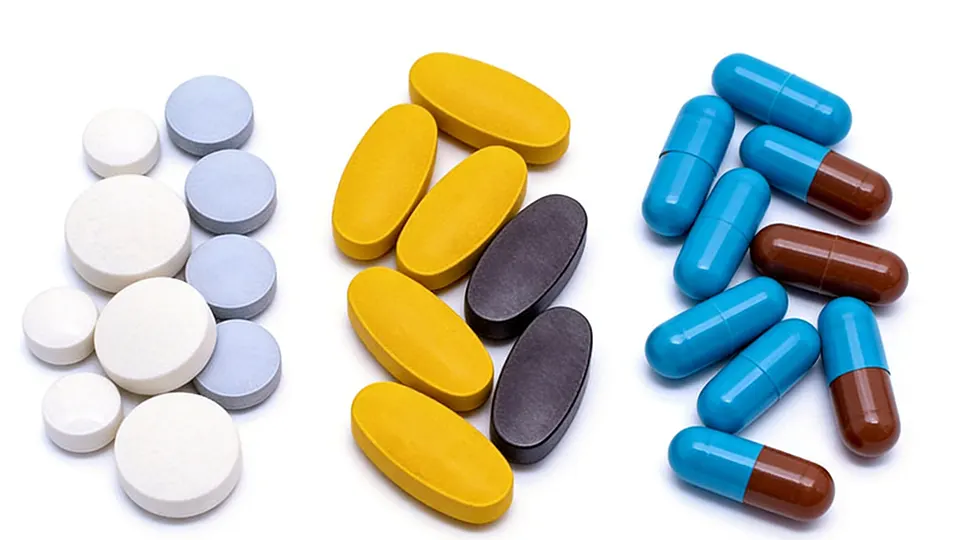
Перед утверждением формы таблетки производители должны протестировать формулу, оснастку, свойства покрытия и окончательную упаковку одновременно. Таблетка должна легко сжиматься, легко отделяться от оснастки, сохранять прочность, равномерно покрывать таблетку и перемещаться по упаковочной линии без частых корректировок.
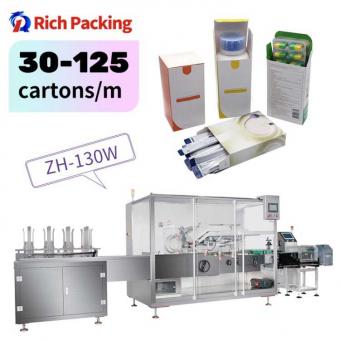
Проверка упаковки должна проводиться на раннем этапе. Для круглых, овальных и капсулообразных таблеток могут потребоваться разные блистерные ячейки, настройки подсчета таблеток в бутылке, методы проверки и компоновка картонной упаковки. Если один и тот же продукт будет выпускаться как в блистерной, так и во флаконной форме, форма должна подходить для обоих способов упаковки.
Последний вопрос заключается в том, сможет ли данная форма надежно воспроизводиться при целевой скорости производства. Если ответ неясен, продукт следует протестировать на реальном таблеточном прессе, при нанесении покрытия, подаче и упаковке перед началом крупномасштабного производства.
Формы таблеток не случайны. Круглые, овальные и капсулообразные таблетки отражают сочетание требований к составу, дозировке, оснастке, покрытию, обращению и упаковке.
Таблетки круглой формы распространены, поскольку они эффективны и стабильны на многих производственных линиях. Таблетки овальной и капсулообразной формы позволяют использовать более крупные порции или имеют более гладкую поверхность, но для их изготовления может потребоваться более тщательная подготовка оснастки, нанесения покрытия, подачи и упаковки. Нестандартные формы могут способствовать узнаваемости продукции, но они также создают дополнительные сложности в производстве и контроле производственной линии.
Для производителей правильная форма должна подходить для использования на всех этапах — от прессования до окончательной упаковки. Она должна быть достаточно прочной для транспортировки, подходящей для нанесения покрытия, стабильной в блистерной или бутылочной упаковке и практичной для полномасштабного производства.
Таблетки круглой формы широко распространены, поскольку они удобны для прессования, покрытия, подачи и блистерной упаковки.
Таблетки овальной формы часто используются в тех случаях, когда продукту необходимо больше места для ингредиентов, не становясь при этом слишком толстым.
Таблетка капсулообразной формы, часто называемая каплетом, представляет собой спрессованную таблетку с более длинным корпусом и закругленными концами.
Форма может способствовать распознаванию продукта, но ее не следует использовать в одиночку для идентификации лекарственных препаратов. Упаковка и этикетка являются более надежными средствами.
Таблетки различной формы изготавливаются с помощью специальных пуансонов и матриц в таблеточнопрессе.
Да. Форма таблетки влияет на конструкцию блистерной полости, стабильность подсчета таблеток в бутылке, движение при подаче, контроль качества и компоновку упаковки.
1. FDA. Размер, форма и другие физические характеристики таблеток и капсул, отпускаемых без рецепта.
2. Салави А. Фармацевтическое покрытие и различные подходы к его применению: обзор.

29+ years in pharmaceutical machinery, covering capsule filling, tablet pressing, blister packaging, tablet and capsule counting, cartoning, GMP production, and overseas machine service.

Электронное письмо : manager@richpacking.cn
Building D, No. 226, Beishan Qiaotou Street, Haizhu District, Guangzhou City, Guangdong Province, China


 Поддерживается сеть IPv6