






 Дом
Дом Продукты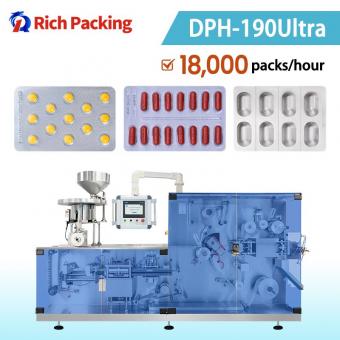
29+ years in pharmaceutical machinery, covering capsule filling, tablet pressing, blister packaging, tablet and capsule counting, cartoning, GMP production, and overseas machine service.

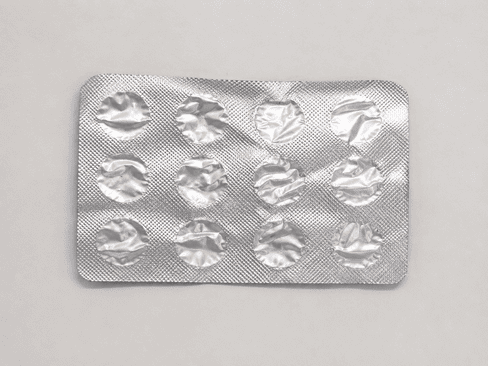
В производстве блистерной упаковки, сминание алюминиевой фольги является одной из распространённых проблем, которая может влиять на качество готовой упаковки. Для фармацевтической продукции, нутрицевтиков и товаров для здравоохранения гладкая и хорошо запечатанная блистерная упаковка важна не только для внешнего вида, но и для защиты продукта, качества запайки и эффективности производства.
Когда на алюминиевой фольге появляются складки, упаковка может выглядеть непрофессионально. В более серьёзных случаях складки также могут привести к плохой герметизации, утечке воздуха, нестабильной резке или увеличению отходов материала. Поэтому операторам необходимо как можно раньше определить причину и отрегулировать блистерную упаковочную машину до того, как проблема повлияет на крупномасштабное производство.
В большинстве случаев сминание алюминиевой фольги не вызвано одним фактором. Оно может быть связано с неправильным натяжением полотна, плохим выравниванием материала, чрезмерной температурой запайки, неравномерным давлением запайки, низким качеством материала или несинхронизированным движением машины.
Сегодняшняя статья расскажет об основных причинах сминания алюминиевой фольги в блистерной упаковочной машине, практических способах устранения проблемы и о том, почему правильная настройка машины важна для стабильного производства блистерной упаковки.
Перед настройкой блистерной упаковочной машины операторы должны сначала определить, когда и где появляются складки на алюминиевой фольге.
Если фольга уже имеет складки до запайки, проблема обычно связана с натяжением фольги, направлением полотна, качеством рулона материала или выравниванием подачи. Если складки появляются после запайки, причина может быть связана с температурой запайки, давлением запайки, состоянием поверхности запайки или синхронизацией машины.
Рисунок складок также имеет значение. Складки с одной стороны часто указывают на неравномерное натяжение, плохое выравнивание или несбалансированное давление запайки. Случайные складки могут свидетельствовать о нестабильной подаче материала или низком качестве фольги. Складки в фиксированном положении чаще связаны с формой для запайки, направляющим роликом или механической регулировкой.
После этого быстрого наблюдения операторы могут поочерёдно проверить следующие распространённые причины.
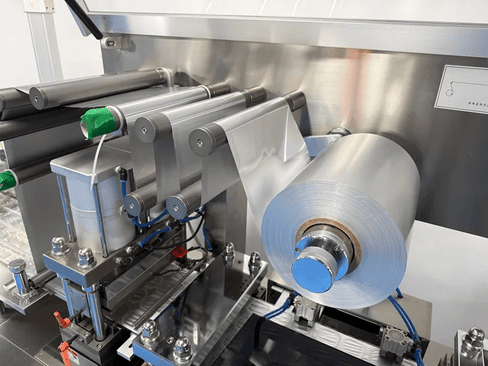
Неправильное натяжение фольги и плохое направление полотна являются двумя наиболее распространёнными причинами сминания алюминиевой фольги перед запайкой.
Если алюминиевая фольга слишком ослаблена, она может перемещаться из стороны в сторону или образовывать небольшие волны перед входом в станцию запайки. После того как эти волны подвергаются давлению и нагреву, они могут превратиться в видимые складки на готовой блистерной упаковке.
Однако чрезмерное натяжение также может вызвать проблемы. Когда фольга натянута слишком сильно, она может растягиваться перед запайкой. Во время термосваривания материал может сжиматься или деформироваться, особенно при высокой температуре запайки.
Неправильное выравнивание фольги может усугубить проблему. Во время работы алюминиевая фольга должна входить в станцию запайки в правильном положении и совпадать с формованным основным материалом, таким как PVC, PVDC или материал alu-alu. Если фольга входит под углом, во время запайки она может натягиваться по диагонали, создавая складки возле края или по всей зоне запайки.
Чтобы устранить эту проблему, проверьте рулон фольги, натяжной ролик, направляющий ролик, систему размотки и систему коррекции. Убедитесь, что алюминиевая фольга движется ровно и плавно без резких рывков, провисания, бокового смещения или диагонального натяжения.
Стабильная блистерная упаковочная машина должна обеспечивать плавную размотку материала, стабильную подачу фольги и гибкую регулировку направления. Это помогает поддерживать стабильное движение алюминиевой фольги и основного материала перед входом в станцию запайки.
Температура запайки напрямую влияет на качество блистерной упаковки.
Если температура запайки слишком высокая, термосвариваемый слой алюминиевой фольги может стать слишком мягким. Под давлением запайки фольга может деформироваться, сжиматься или образовывать складки после запайки.
Высокая температура также может привести к другим видимым проблемам, таким как блестящая поверхность запайки, прилипание, следы подгорания или грубая текстура запайки. Если складки появляются только после станции запайки и поверхность запайки выглядит ненормально, сначала следует проверить настройку температуры.
Чтобы устранить эту проблему, постепенно снижайте температуру запайки и наблюдайте за результатом. Не снижайте температуру слишком сильно за один раз, поскольку недостаточная температура может привести к плохой герметизации. Правильная настройка должна обеспечивать стабильную прочность запайки без перегрева алюминиевой фольги.
Стабильная система контроля температуры важна для блистерной упаковки. Она помогает поддерживать постоянное качество запайки и уменьшает проблемы, вызванные колебаниями температуры.
Неравномерное давление запайки также может привести к сминанию алюминиевой фольги.
Во время термосваривания алюминиевая фольга и формованный основной материал должны прижиматься равномерно. Если давление с одной стороны сильнее, а с другой слабее, фольга получает неравномерную нагрузку, что может вызвать складки в фиксированном положении или плохие следы запайки.
Эта проблема может быть связана с плохой параллельностью пластин запайки, неправильной установкой формы, износом компонентов или несбалансированной регулировкой давления. Для блистерных упаковочных машин с плоскими плитами плоскостность и параллельность плит запайки очень важны. Для блистерных машин роликового типа также следует проверять выравнивание и состояние роликов запайки.
Чтобы устранить эту проблему, осмотрите плиту запайки или ролик запайки, проверьте баланс давления и убедитесь, что форма установлена правильно. Если складки всегда появляются в одном и том же месте, может потребоваться механическая регулировка или проверка формы.
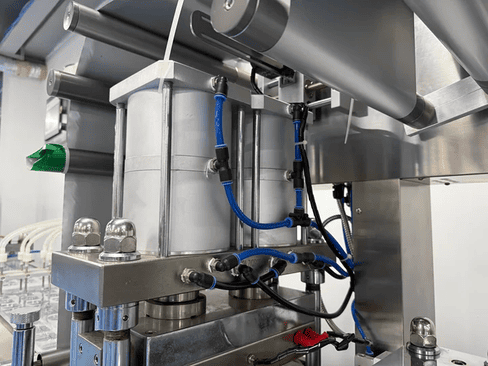
Для блистерных упаковочных машин Rich Packing конструкция термосваривания разработана для обеспечения более стабильного и равномерного качества запайки. Блистерная упаковочная машина RQ-DPH-270 оснащена двумя цилиндрами для станции термосваривания, что помогает поддерживать сбалансированное давление при высокоскоростном производстве. Блистерная упаковочная машина DPP-180 использует конструкцию с одним большим цилиндром для обеспечения стабильного давления при запайке плоскими плитами. Эти конструкции помогают уменьшить складки, вызванные неравномерным давлением термосваривания, и делают процесс запайки более стабильным.
Во время производства блистерной упаковки пыль продукта, порошок, мелкие частицы или остатки клея могут оставаться на плите запайки, ролике запайки, алюминиевой фольге или в зоне запайки вокруг ячейки блистера. Это особенно часто встречается при упаковке пыльных таблеток, травяных продуктов, нутрицевтиков или материалов, которые легко образуют остатки порошка.
Эти остатки могут влиять на контакт между алюминиевой фольгой и поверхностью запайки. В результате фольга может блокироваться, смещаться или прижиматься неравномерно, создавая складки, плохую герметизацию или нечёткие следы запайки.
Царапины, вмятины или изношенные участки на поверхности запайки могут вызвать аналогичные проблемы. Такой тип неисправности часто проявляется как складки в фиксированном положении, поскольку повреждённый или загрязнённый участок неоднократно контактирует с фольгой в одном и том же месте.
Чтобы устранить эту проблему, остановите машину и тщательно очистите плиту запайки или ролик запайки. Также проверьте, не остались ли пыль или частицы продукта на поверхности фольги или вокруг ячейки блистера. Если продукт образует много пыли, операторы должны чаще очищать зону запайки во время производства.
Для продуктов с большим количеством пыли или нестабильным поведением при подаче также следует учитывать систему подачи. Rich Packing может предоставить индивидуальные решения для подачи, такие как подача по направляющим рельсам, пружинная подача 1 к 1 и дополнительные устройства сбора пыли в соответствии с характеристиками продукта. Эти конструкции помогают улучшить позиционирование продукта, уменьшить остатки порошка в зоне запайки и обеспечить более стабильное производство блистерной упаковки.
Регулярная очистка и техническое обслуживание могут помочь предотвратить такие проблемы с запайкой блистерной машины. Для производства фармацевтической упаковки и упаковки нутрицевтиков чистая поверхность запайки важна для стабильного качества герметизации, гладкого внешнего вида блистера и долгосрочной работы машины.
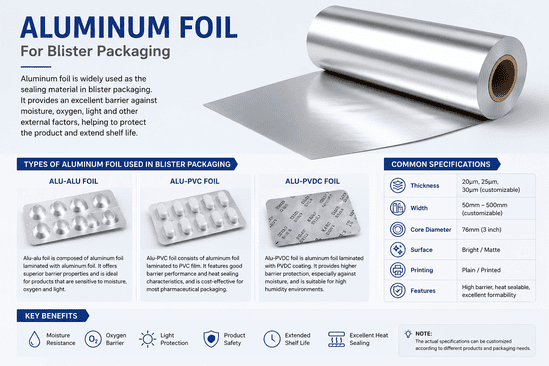
Не все материалы алюминиевой фольги PTP одинаково работают во время блистерной упаковки.
Если фольга слишком тонкая, имеет неравномерное ламинирование, плохо намотана или имеет волнистые края, складки могут появляться даже при правильных настройках блистерной упаковочной машины.
Хранение материала также может влиять на стабильность производства. Если алюминиевая фольга подвергается воздействию влаги, давления, деформации или повреждению краев рулона, она может подаваться на блистерную упаковочную машину неравномерно. В этом случае операторы могут продолжать регулировать машину, но всё равно не смогут устранить проблему со складками.
Чтобы устранить эту проблему, замените текущий рулон фольги на другой квалифицированный рулон и сравните результат. Если проблема со складками сразу улучшится, качество материала, вероятно, является одной из основных причин.
Также важно хранить алюминиевую фольгу и базовые материалы в чистых, сухих и подходящих условиях. Перед массовым производством производители должны проверить, соответствует ли упаковочный материал продукту, конструкции блистера и скорости работы машины.
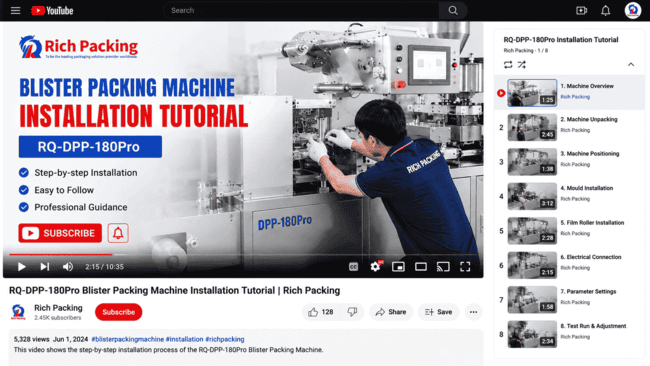
Неправильная установка формы или плохая параллельность формы также могут привести к образованию складок алюминиевой фольги на блистерной упаковочной машине.
Во время термосваривания сварочная форма должна равномерно прижимать алюминиевую фольгу и сформированный базовый материал. Если форма установлена неровно или верхняя и нижняя части сварки не параллельны, некоторые участки могут получать больше давления, а другие — меньше. Это может привести к складкам в фиксированных местах, неравномерным следам сварки или низкой прочности запайки.
Эта проблема также может возникнуть после замены формы. Если форма неправильно зафиксирована, если позиционирование немного смещено или между формой и монтажной поверхностью находится посторонний материал, давление при сварке может стать неравномерным.
Чтобы устранить эту проблему, проверьте, правильно ли установлена форма и надежно ли она зафиксирована. Убедитесь, что поверхность формы чистая, ровная и параллельная. Если после замены форм складки всегда появляются в одном и том же месте, операторам следует проверить установку формы, позиционирующие штифты, монтажную поверхность и параллельность сварочной плиты.
Для заводов с несколькими продуктами и частой сменой форматов правильная установка формы особенно важна. Rich Packing предоставляет полную техническую документацию, руководства по эксплуатации и обучающие видео по установке для своих блистерных упаковочных машин, помогая клиентам лучше понять процесс установки и регулировки формы.
Если клиенты не уверены, правильно ли установлена форма, наша сервисная команда также может поддержать видеозвонки для проверки состояния машины и пошагового руководства по устранению неисправностей. Если удаленной поддержки недостаточно, Rich Packing также может организовать выездное обслуживание, чтобы напрямую помочь клиентам решить проблемы с установкой, настройкой или производством.
Блистерная упаковочная машина зависит от стабильной координации между формованием, подачей, сваркой, вытягиванием и резкой.
Если система вытягивания, длина шага, положение зажима или параметры сервопривода не синхронизированы, материал может растягиваться, сжиматься или накапливаться во время работы. Когда алюминиевая фольга вытягивается слишком рано, слишком поздно или с нестабильным усилием, складки могут появляться случайным образом.
Эта проблема также может возникать вместе с нестабильным позиционированием, неточной резкой, неравномерным выравниванием блистера или необычными следами вытягивания на упаковочном материале.
Чтобы устранить эту проблему, проверьте систему вытягивания, длину шага, состояние зажимов и параметры сервопривода. Убедитесь, что материал плавно перемещается от формования к сварке и резке. Если машина использует сервоприводное управление, убедитесь, что каждое движение правильно синхронизировано.
Для непрерывного производства блистерной упаковки стабильная синхронизация имеет решающее значение. Блистерные упаковочные машины Rich Packing разработаны для обеспечения плавного перемещения материала и стабильной координации между каждой рабочей станцией, помогая клиентам снизить ошибки вытягивания, улучшить стабильность запайки и обеспечить более плавную работу производства.
Скорость машины может сделать образование складок на алюминиевой фольге более заметным.
Когда блистерная упаковочная машина работает слишком быстро, натяжение фольги может не успеть стабилизироваться перед входом в сварочную станцию. Тонкая или чувствительная алюминиевая фольга особенно склонна к образованию складок на высокой скорости.
Эта проблема чаще встречается на блистерных упаковочных машинах плоского типа, когда машина работает выше подходящей скорости. Машины плоского типа стабильны и широко используются для многих стандартных применений блистерной упаковки, но обычно они не предназначены для производства на очень высокой скорости. Если требуется высокая производительность, принудительная работа машины плоского типа на слишком высокой скорости может увеличить риск нестабильного натяжения, плохой запайки, неточного вытягивания и образования складок алюминиевой фольги.
Чтобы устранить эту проблему, снизьте скорость машины и наблюдайте, уменьшаются ли складки. После стабильной работы машины постепенно увеличивайте скорость вместо немедленного перехода к высокоскоростному производству. Для новых материалов, новых форм или новых продуктов лучше начинать с более низкой скорости и подтвердить стабильность запайки перед увеличением производительности.
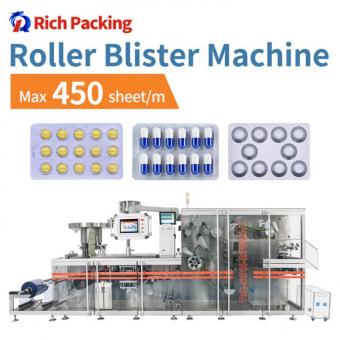
Если клиентам требуется более высокая производительность, блистерная упаковочная машина роликового типа обычно является лучшим выбором. По сравнению с машинами плоского типа, блистерные упаковочные машины роликового типа лучше подходят для непрерывного высокоскоростного производства, поскольку перемещение материала и процесс запайки на высокой скорости проходят более плавно.
Rich Packing может рекомендовать подходящую блистерную упаковочную машину в зависимости от типа продукта, упаковочного материала, размера блистера и требований к производительности. Для стандартного производства модели плоского типа, такие как DPP-180, могут быть практичным выбором. Длявысокоскоростной блистерной упаковкимодели роликового типа, такие как RQ-DPH-270, могут лучше поддерживать стабильное и эффективное производство.

Образование складок на алюминиевой фольге в блистерной упаковке редко вызывается только одним фактором. Это может быть связано с натяжением полотна, выравниванием материала, температурой сварки, давлением сварки, пылью продукта, качеством материала, установкой формы, синхронизацией машины или неподходящей рабочей скоростью.
Чтобы решить эту проблему, операторы должны сначала определить, где и когда появляются складки, а затем последовательно проверить путь материала, сварочную станцию, состояние формы, систему вытягивания и настройки машины.
В то же время выбор правильной блистерной упаковочной машины также важен для стабильного долгосрочного производства. Для стандартных потребностей блистерной упаковки машина плоского типа может быть практичным и экономичным выбором. Но если клиентам требуется более высокая производительность и более непрерывное высокоскоростное производство, блистерная упаковочная машина роликового типа обычно подходит лучше.
Rich Packing предоставляет блистерные упаковочные машины для таблеток, капсул, мягких капсул и других фармацевтических и медицинских продуктов. От выбора машины и проектирования формы до руководства по установке, обучающих видео, удаленного устранения неисправностей и выездного обслуживания мы помогаем клиентам создать более стабильный и эффективный процесс блистерной упаковки.
Если вы сталкиваетесь с образованием складок на алюминиевой фольге или ищете подходящую блистерную упаковочную машину, отправьте нам образец вашего продукта, размер блистера, упаковочный материал и требования к производительности. Rich Packing поможет вам найти правильное упаковочное решение.
Если алюминиевая фольга образует складки после термосваривания, проблема обычно связана с чрезмерной температурой сварки, неравномерным давлением сварки, загрязненными сварочными поверхностями, плохой установкой формы или несинхронизированным движением машины. Операторам следует сначала проверить сварочную станцию, а затем осмотреть путь материала и настройки машины.
Да. Некачественная алюминиевая фольга может быть слишком тонкой, иметь неравномерное ламинирование, плохо наматываться или иметь волнистые края. Эти проблемы могут вызывать складки даже при правильных настройках блистерной упаковочной машины. Замена рулона фольги на качественный материал — быстрый способ подтвердить, связана ли проблема с материалом.
Чтобы предотвратить образование складок на алюминиевой фольге, поддерживайте стабильное натяжение фольги, убедитесь, что фольга движется ровно, правильно контролируйте температуру и давление запайки, регулярно очищайте поверхность запайки, проверяйте установку формы и не запускайте машину на слишком высокой скорости до стабилизации процесса упаковки.
Блистерные упаковочные машины с плоской плитой подходят для многих стандартных применений блистерной упаковки, но обычно не рекомендуются для очень высокоскоростного производства. Если клиентам требуется более высокая производительность и более непрерывное производство, блистерная упаковочная машина с роликовой плитой обычно является лучшим выбором.
Rich Packing может помочь клиентам проверить возможные причины с учетом типа продукта, размера блистера, упаковочного материала, скорости машины и расположения складок. Мы также предоставляем техническую документацию, руководства по эксплуатации, обучающие видео по установке, удаленное устранение неисправностей по видеосвязи и выездное обслуживание при необходимости.

29+ years in pharmaceutical machinery, covering capsule filling, tablet pressing, blister packaging, tablet and capsule counting, cartoning, GMP production, and overseas machine service.

Электронное письмо : manager@richpacking.cn
Building D, No. 226, Beishan Qiaotou Street, Haizhu District, Guangzhou City, Guangdong Province, China


 Поддерживается сеть IPv6