






 Дом
Дом Продукты

29+ years in pharmaceutical machinery, covering capsule filling, tablet pressing, blister packaging, tablet and capsule counting, cartoning, GMP production, and overseas machine service.

Порошки могут выглядеть однородными, но при этом вести себя непредсказуемо при перемещении, дозировании или прессовании. Они могут быть текучими, расслаиваться при обращении, образовывать пыль или прессоваться в слабые таблетки. Фармацевтическая грануляция помогает, превращая рыхлую порошковую смесь в гранулы, которые более стабильны в последующих этапах обработки.
Влажная грануляция и сухая грануляция — это простое концептуальное различие. При влажной грануляции гранулы образуются на стадии с использованием жидкости и обычно включают сушку. При сухой грануляции гранулы образуются без жидкости, чаще всего путем вальцового прессования.
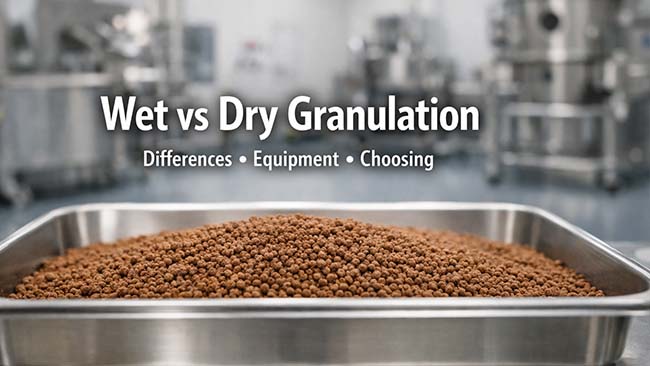
Полезно рассматривать грануляцию как «придание порошкам определенных свойств». Гранулы обычно разрабатываются для уменьшения распространенных проблем, возникающих между смешиванием и получением конечной лекарственной формы:
● Более предсказуемый поток Гранулы подаются более равномерно, чем мелкодисперсные порошки, что способствует стабильности на последующих этапах.
● Снижение риска сегрегации Когда частицы различаются по размеру или плотности, порошки могут разделяться; гранулирование часто уменьшает эту тенденцию.
● Более надежная дозировка и прессование Постоянная подача обеспечивает стабильный вес таблеток и снижает вероятность неожиданностей во время прессования.
● Меньше пыли Более крупные, обработанные частицы, как правило, образуют меньше пыли в воздухе, чем очень мелкие порошки.
Гранулирование не гарантирует автоматическую «фиксацию» любой рецептуры. Оно переводит материал в форму, которую зачастую легче контролировать, при условии, что способ гранулирования соответствует материалу.
Влажная грануляция преобразует порошковую смесь в гранулы путем добавления жидкости — часто называемой связующим раствором — для связывания частиц. Главное преимущество — это однородность: улучшенная текучесть, уменьшение расслоения при обработке и более стабильное поведение при прессовании.
Высокотехнологичный процесс влажной грануляции обычно включает в себя формирование гранул с использованием жидкости, сушку до заданного уровня влажности, а затем сортировку по размеру или кондиционирование, чтобы гранулы вели себя предсказуемо на последующих этапах. Даже если два метода влажной грануляции выглядят похожими на бумаге, решающим фактором является повторяемость: равномерное распределение жидкости и равномерная сушка обеспечивают стабильность гранул от партии к партии.
Влажное гранулирование часто применяется в тех случаях, когда смесь пылеобразная, легко расслаивается или демонстрирует нестабильное поведение при сжатии без дополнительной структурной основы.
Сухая грануляция позволяет получить гранулы без добавления жидкости. Вместо этого получаются порошки. Механически уплотняют, а затем измельчают до гранул. Наиболее распространенный промышленный способ – катковое уплотнение Именно поэтому сухая грануляция часто обсуждается наряду с вальцовым компактором.
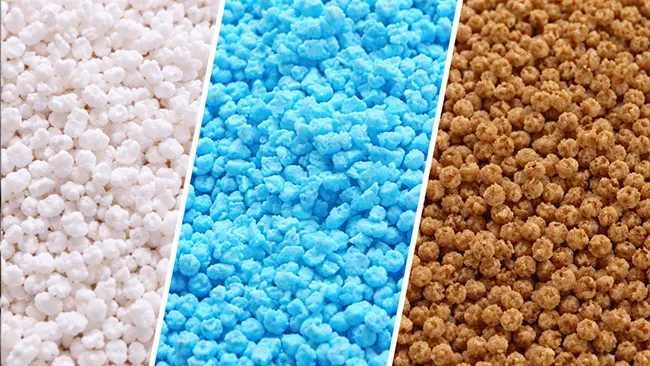
Высокотехнологичный процесс сухой грануляции обычно включает смешивание, уплотнение, затем сортировку по размеру или кондиционирование, после чего следует окончательное смешивание перед последующей обработкой. В сухой грануляции главное — это однородность уплотнения. Если смесь хорошо уплотняется и делает это повторяемо, сухой метод позволяет получать стабильные гранулы, избегая при этом стадии обработки жидким раствором и отдельной стадии сушки.
Сухая грануляция часто рассматривается в случаях, когда существует риск воздействия влаги, когда необходимо избежать работы с растворителями или когда предпочтительнее более короткий путь.
Разница между влажной и сухой грануляцией заключается не только в «жидкости против ее отсутствия». Она также меняет характер процесса, факторы, определяющие изменчивость, и обычно используемое оборудование.
|
Фактор |
Влажная грануляция |
Сухая грануляция |
|
Жидкий этап |
Да |
Нет |
|
Этап сушки |
Обычно да |
В основном маршруте отсутствует этап сушки. |
|
Почему его выбрали |
Стабилизация сложных смесей, улучшение текучести и характеристик сжатия. |
Избегайте воздействия влаги/растворителей, сократите маршрут. |
|
Основная точка давления для достижения нужной консистенции |
Распределение жидкости и равномерность сушки |
Уплотнение и однородность размеров |
|
Когда это, как правило, подходит лучше всего |
Запыленные смеси, смеси, которые расслаиваются, смеси с нестабильным сжатием. |
Влагочувствительные смеси, смеси, которые надежно уплотняются. |
Полезной мысленной моделью является представление о том, что влажная грануляция «наращивает» гранулы за счет контролируемого связывания и сушки, тогда как сухая грануляция «создает» гранулы за счет контролируемого уплотнения и кондиционирования.
Гранулирование часто обсуждается наряду с другими процессами. прямое сжатие Потому что многие новички пытаются решить, нужна ли вообще грануляция. Прямое прессование означает, что смесь подвергается прессованию без этапа грануляции. Это может хорошо работать, когда порошок уже текучий, хорошо смешивается и предсказуемо прессуется.
Гранулирование становится актуальным, когда существующие условия недостаточно стабильны. Именно поэтому вопрос о сравнении влажного гранулирования и прямого прессования часто формулируется так: «Нужна ли нам дополнительная структура и стабильность, которые может обеспечить влажное гранулирование?». В то же время вопрос о сравнении сухого гранулирования и прямого прессования часто сводится к тому, может ли уплотнение обеспечить достаточную стабильность без введения жидкой фазы.
Также вы можете встретить сравнение влажной грануляции и валкового уплотнения в качестве упрощенного обозначения для сравнения методов влажного гранулирования с наиболее распространенным методом сухого гранулирования. На практике это выбор метода: жидкость + сушка против уплотнения + проклейки.
Маршруты с мокрым и сухим движением различаются не только по концепции, но и по типичным составным частям машин. Обсуждение оборудования в одном месте облегчает понимание остальной части статьи.
|
Маршрут |
Типичное грануляционное оборудование |
Что обычно происходит дальше |
|
Метод влажной грануляции |
высокоскоростной гранулятор (часто именно его подразумевают под классической машиной для влажной грануляции), гранулятор с псевдоожиженным слоем, сушилка с псевдоожиженным слоем |
таблеточный пресс или машина для наполнения капсул |
|
Метод сухой грануляции |
Вальцовый компактор (часто описываемый в широком смысле как машина для сухого гранулирования с последующей сортировкой/кондиционирования). |
таблеточный пресс или машина для наполнения капсул |
Два момента помогут новичкам разобраться в этом. Во-первых, «маршрут» важнее, чем торговые марки: разные поставщики фармацевтического оборудования могут создавать один и тот же маршрут с разной компоновкой, но логика всё равно остаётся прежней. Во-вторых, важна целевая аудитория. Гранулы, предназначенные для... таблеточный пресс Часто акцент делается на равномерном заполнении матрицы и стабильном поведении при сжатии, в то время как гранулы, предназначенные для машина для наполнения капсул Часто делается акцент на предсказуемом потоке в дозирующие системы и низком риске расслоения при обращении.
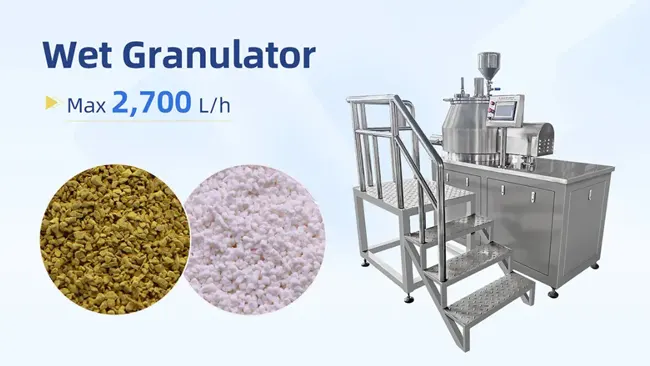
Влажная грануляция часто улучшает текучесть и снижает риск расслоения, а также может сделать поведение при прессовании более предсказуемым для смесей, которые в противном случае были бы капризными. Компромисс заключается в дополнительных этапах, обычно включающих сушку, и потенциальных ограничениях, когда воздействие влаги или растворителей нежелательно. Влажные методы также могут быть более требовательными с точки зрения поддержания однородности от партии к партии, поскольку распределение жидкости и сушка имеют центральное значение для результата.
Сухая грануляция позволяет избежать использования жидкости и, как правило, сушки, что упрощает процесс и снижает воздействие влаги. Компромисс заключается в том, что эффективность сильно зависит от того, насколько хорошо смесь уплотняется и насколько равномерно этап гранулирования обеспечивает целевое распределение гранул. Если уплотнение нарушается, то и эффективность последующих этапов может снижаться.
Ни один из вариантов не является «всегда дешевле» или «всегда проще». Более важный вопрос заключается в том, какой вариант обеспечивает наиболее надежное поведение продукта в соответствии с вашей рецептурой и вашими ожиданиями по качеству.
Практический способ выбора — начать с чувствительности состава и типа консистенции, необходимой на последующих этапах.
Если существует проблема воздействия влаги, обычно сначала рассматривается сухая грануляция, как правило, с использованием вальцового компактора. Если смесь склонна к расслоению, сильному пылеобразованию или неравномерному сжатию, часто рассматривается влажная грануляция, поскольку этап обработки жидкостью может обеспечить более прочное сцепление частиц и более стабильную обработку. Если приоритетом является сокращение этапов и избежание сушки, сухая грануляция может быть привлекательной — при условии, что материал хорошо уплотняется и сохраняет однородность после сортировки по размерам. Если наибольшую проблему представляет стабильная подача материала на последующих этапах, влажная грануляция обычно используется для получения гранул, которые ведут себя более предсказуемо при транспортировке и сжатии.
Когда вы оставляете отзыв поставщик фармацевтического оборудования Для оценки целесообразности предложения не обязательно иметь представление о производственных условиях. Наиболее важно, оправдан ли выбранный маршрут с точки зрения материалов и предусмотрена ли повторяемость процесса. Убедительное предложение объясняет, почему рекомендуется использовать мокрый или сухой способ обработки, уточняет основной тип оборудования (например, высокоскоростной гранулятор или гранулятор с псевдоожиженным слоем (для влажных дорожек и для сухих дорожек – каток), указывается реалистичный диапазон партий и объясняется, как обеспечивается стабильность качества между партиями, а не демонстрируется однократно.
Решения о гранулировании принимаются в рамках системы качества GMP, которая предполагает контролируемые, воспроизводимые результаты с соответствующей документацией. В США структура CGMP FDA ссылается на разделы 210 и 211 Свода федеральных правил США (21 CFR) как на ключевые нормативные основы для контроля производства готовых фармацевтических препаратов. Во всем мире основные принципы GMP ВОЗ (TRS 986, Приложение 2) широко используются в качестве основы для систем инспекции и контроля качества.
На концептуальном уровне изменчивость в процессах с использованием влажных материалов часто связана с равномерностью и повторяемостью распределения жидкости и сушки. Изменчивость в процессах с использованием сухих материалов часто связана с стабильностью и повторяемостью уплотнения и проклейки. Для начинающего это главный вывод: какой бы путь вы ни выбрали, стабильность — это результат работы всей системы, а не отдельной машины.
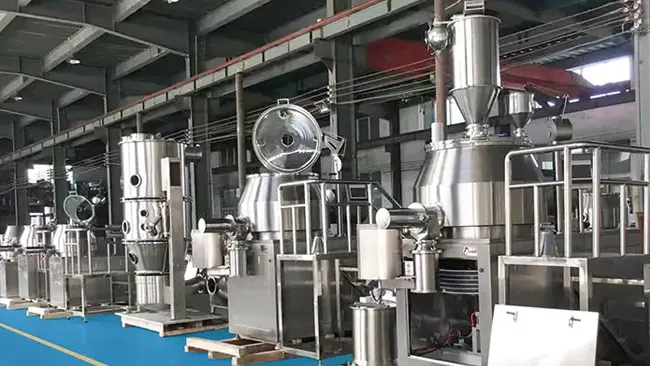
Разница между влажной и сухой грануляцией заключается не столько в универсальном лучшем методе, сколько в выборе способа, соответствующего чувствительности материала и необходимой консистенции на последующих этапах обработки. Влажная грануляция может стабилизировать смеси, которые расслаиваются или сжимаются неравномерно, в то время как сухая грануляция — обычно с помощью валкового прессования — может сократить процесс и избежать образования жидких продуктов и высыхания, когда смесь хорошо уплотняется. Если при принятии решения учитывать логику процесса, совместимость оборудования и повторяемость, выбор становится гораздо проще.
Всегда ли сухая грануляция лучше подходит для ингредиентов, чувствительных к влаге?
Часто этот метод рассматривается в первую очередь для материалов, чувствительных к влаге, поскольку он позволяет избежать стадии жидкостной обработки, но смесь все равно должна равномерно уплотняться, чтобы обеспечить стабильное поведение при дальнейшей обработке.
Что такое высокоскоростной гранулятор?
Высокоскоростной гранулятор — это тип машины для мокрого гранулирования, которая формирует гранулы путем смешивания порошков со связующим веществом под контролируемым механическим воздействием.
Гранулирование в псевдоожиженном слое против гранулирования при высоком сдвиговом напряжении: в чем разница?
Оба подхода являются влажными. Методы с использованием псевдоожиженного слоя часто обсуждаются в контексте интеграции систем вентиляции и сушки, в то время как методы с высоким сдвиговым усилием делают упор на механическое перемешивание и формирование гранул.
Все ли таблетки требуют гранулирования?
Нет. Некоторые составы хорошо подходят для прямого прессования. Гранулирование используется, когда смеси необходимо улучшить текучесть, предотвратить расслоение, пылеобразование или улучшить характеристики при прессовании.
Как грануляция связана с таблетками и капсулами?
Гранулы обычно подаются либо в таблеточный пресс, либо в машину для наполнения капсул. Этап последующей обработки влияет на то, что означает «качественные гранулы», особенно в отношении стабильности текучести и риска расслоения.

29+ years in pharmaceutical machinery, covering capsule filling, tablet pressing, blister packaging, tablet and capsule counting, cartoning, GMP production, and overseas machine service.

Электронное письмо : manager@richpacking.cn
Building D, No. 226, Beishan Qiaotou Street, Haizhu District, Guangzhou City, Guangdong Province, China


 Поддерживается сеть IPv6