






 Дом
Дом Продукты
29+ years in pharmaceutical machinery, covering capsule filling, tablet pressing, blister packaging, tablet and capsule counting, cartoning, GMP production, and overseas machine service.

Креатин существует уже давно, но способы его продажи меняются. Порошок по-прежнему считается стандартным форматом. Капсулы и таблетки тоже хорошо знакомы. Жевательные конфеты выводят продукт на новый уровень. Они выглядят менее технически сложными, кажутся более доступными и органично вписываются в ассортимент добавок, где жевательные продукты и так широко распространены.
Этот сдвиг — одна из причин, почему эта категория привлекает все больше внимания. Дело не только в популярном ингредиенте. Важно и формат. Жевательная форма меняет восприятие продукта, способы его использования и то, чему следует уделить больше внимания на более поздних этапах хранения, подсчета и выбора окончательной упаковки.
Это также объясняет, почему эта тема важна не только для потребителей. Порошкообразные продукты в основном обсуждаются с точки зрения веса наполнителя, контроля влажности и выбора упаковки. В случае жевательных конфет возникает больше вопросов о консистенции, состоянии поверхности, точности подсчета и оформлении упаковки. Как только меняется формат, меняется и логика последующей упаковки.
Частично интерес также обусловлен более широкими рыночными изменениями. Жевательные конфеты теперь широко распространены в витаминных комплексах, растительных экстрактах, косметических средствах и средствах для ежедневного оздоровления. По мере того, как жевательные добавки становились все более популярными, креатин легко перешел на тот же формат. Это сделало категорию более заметной, но также подняло более практические вопросы о качестве, стабильности и пригодности упаковки.
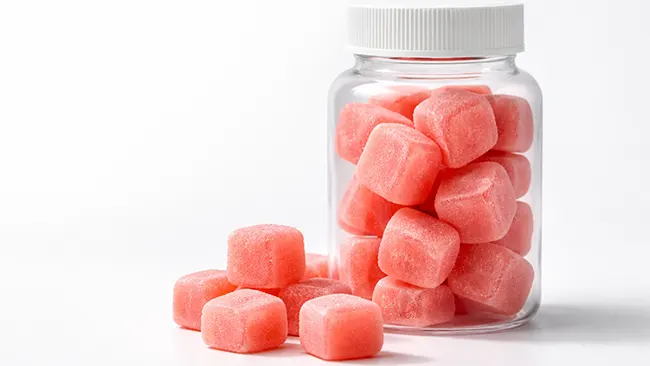
Жевательные креатиновые конфеты — это мягкие, расфасованные в порционную форму таблетки, содержащие креатин. Вместо того чтобы отмерять порошок или принимать капсулу, пользователь принимает одну или несколько конфет в качестве порции. Ингредиент знаком, но готовый продукт ведет себя иначе, поскольку отличается его физической формой.
Порошок — это продукт в виде рассыпчатого наполнителя. Капсулы и таблетки — это твердые образования со стабильной формой. Жевательные конфеты находятся в другом положении. Они мягче, более чувствительны к температуре и влажности, а также в большей степени зависят от качества поверхности и контакта между частицами. Эти различия важны, поскольку они влияют на хранение, обращение и последующую упаковку.
Именно здесь категория становится более интересной с точки зрения упаковки. Жевательная конфета может выглядеть просто в бутылочке, но форма кусочка, его твердость и состояние поверхности могут влиять на то, насколько хорошо он разделяется, подсчитывается и перемещается в конечную упаковку. Это не делает формат необычайно сложным. Это просто означает, что с ним нельзя обращаться точно так же, как с порошком, капсулами или таблетками.
С точки зрения рынка, этот формат также находится между традиционным спортивным питанием и распространенными жевательными добавками. Он содержит знакомый ингредиент, но внешне больше похож на современные оздоровительные жевательные конфеты, чем на классическую баночку креатина. Это облегчает некоторым покупателям его обнаружение и позволяет брендам легче занять свою нишу в переполненной категории.
Лучший способ понять формат — начать с основного момента: это жевательная форма выпуска, требующая особого обращения, хранения и упаковки. Как только это станет ясно, сравнение с порошком, капсулами, флаконами и блистерными упаковками станет намного проще.
Рост обусловлен, в первую очередь, форматом. Креатин уже хорошо известен. Изменился лишь способ представления продукта. Жевательная таблетка выглядит менее технически сложной, чем баночка порошка, и менее «клинической», чем флакон капсул. Она органично вписывается в ассортимент, где жевательные конфеты уже широко распространены в линиях витаминов, растительных экстрактов, косметики и товаров для здоровья.
Удобство также играет роль. Порошок обычно означает необходимость зачерпнуть, перемешать и убрать. Капсулы просты, но все же ощущаются как традиционная твердая добавка. Жевательные конфеты выпускаются в виде готовых к употреблению кусочков. Это не делает их лучшим вариантом для каждого пользователя, но для некоторых людей это более удобный и простой формат для повседневного использования.
Оформление на полке тоже имеет значение. Бутылочка с жевательными конфетами быстро выделяется на фоне множества товаров в витрине. для брендов это создает возможность обновить знакомый ингредиент, не меняя сам ингредиент. Для покупателей продукт может показаться более привлекательным с первого взгляда.
Этот формат также привлекает людей, которые, возможно, не заинтересованы в баночке с порошком. Более широкая привлекательность — одна из причин постоянного роста категории. В то же время, большее внимание к формату приводит к большему вниманию к стабильности качества, особенностям хранения и выбору окончательной упаковки. Рост и контроль над продуктом здесь идут рука об руку.
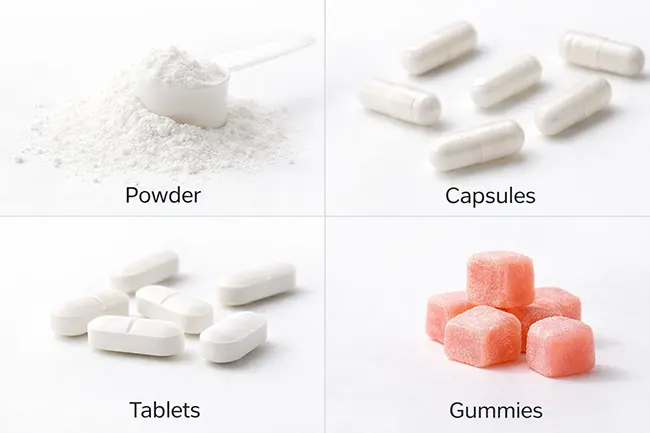
Наиболее полезное сравнение заключается не в выборе единственного победителя, а в понимании того, как каждый формат ведет себя в использовании и в упаковке.
Порошок обладает гибкостью и тесно связан с весом наполнителя. Он подходит для банок, пакетов и стик-пакетов. Основные вопросы упаковки, касающиеся порошка, — это точность наполнения, контроль влажности и качество укупорки. Капсулы и таблетки ведут себя как твердые единицы, поэтому при подсчете и розливе они обычно проходят более предсказуемое разделение и перенос.
Жевательные конфеты с креатином имеют другую форму. Они состоят из отдельных кусочков, как таблетки и капсулы, но при этом мягкие, более подвержены влиянию качества поверхности и более чувствительны к условиям хранения. Это влияет на их текучесть, удержание и перемещение при подсчете или размещении в углублениях.
|
Формат |
Основной пользовательский опыт |
Физическое поведение |
Обычный стиль упаковки |
Основная проблема упаковки |
|
Пудра |
Отмерьте ложкой и перемешайте. |
Насыпной наполнитель |
Банка, пакетик, упаковка в виде палочки |
Контроль веса и влажности наполнителя |
|
Капсулы |
Проглотить целиком |
Фирменные отдельные подразделения |
Флакон, блистер |
Стабильный подсчет и перенос |
|
Таблетки |
Глотать или жевать, в зависимости от типа |
Твердые твердые единицы |
Флакон, блистер |
Стабильность количества и однородность формы |
|
Жевательные конфеты с креатином |
Жевательные кусочки |
Мягкий, кусочной продукт |
Флакон, иногда с блистерной упаковкой. |
Состояние поверхности, разделение поверхностных слоев и бережное обращение. |
Для пользователей разница проявляется в удобстве и тактильных ощущениях от продукта. Для команд, занимающихся упаковкой, она проявляется в поведении на производственной линии. При упаковке порошковых продуктов основное внимание уделяется наполнению. При упаковке твердых продуктов основное внимание уделяется стабильному подсчету. Мягким жевательным продуктам требуется больше внимания к разделению, переносу и окончательной презентации упаковки.
Одна из причин, по которой эта категория привлекает столько внимания, заключается в том, что мягкие липкие системы вызывают практические вопросы качества раньше, чем многие твердые форматы. Кусочек может выглядеть хорошо в бутылке, но все равно создать проблемы позже, если изменится его твердость, поверхность станет липкой или кусочки перестанут чисто отделяться друг от друга.
Здесь важнее всего вода, температура и условия хранения. Небольшое изменение текстуры может повлиять на подачу и подсчет. Небольшое изменение качества поверхности может повлиять на то, как кусочки оседают в бутылке или помещаются в полость. Это не второстепенные вопросы. Они определяют, насколько стабильной будет линия во время обычного производства.
Важно также обеспечить единообразие размеров отдельных изделий. Точность подсчета зависит не только от скорости работы машины. Она также зависит от того, насколько близки по размеру, форме и состоянию изделия, чтобы они могли беспрепятственно перемещаться по линии. Если изделие слишком сильно отклоняется от нормы, линия очень быстро это покажет.
То же самое относится и к контролю качества. Привлекательная упаковка не решает проблему некачественного продукта. Для мягких жевательных добавок упаковка наиболее эффективна, если при этом учитываются целостность количества, состояние каждой таблетки и стабильность продукта.
Упаковка в бутылки по-прежнему остается наиболее распространенным способом упаковки жевательных креатиновых конфет. Она подходит для товаров, выпускаемых поштучно, позволяет использовать бутылки различных размеров и соответствует ожиданиям покупателей относительно упаковки жевательных добавок.
Типичный маршрут начинается с подачи продукта, затем производится подсчет, после чего начинается розлив в бутылки. Далее линия обычно продолжается укупоркой, индукционной запайкой, маркировкой и, при необходимости, упаковкой в картонные коробки. Последовательность проста. Контрольная точка — подсчет.
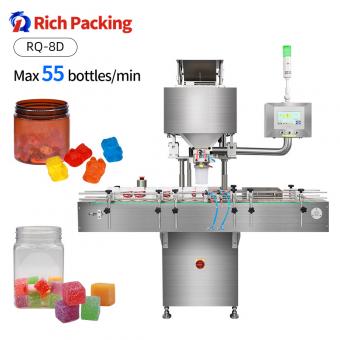
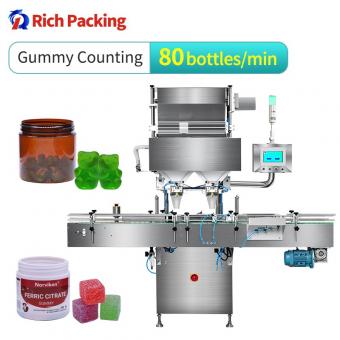
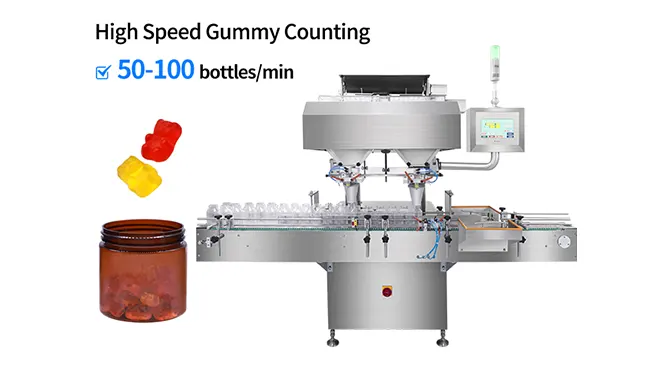 машина для подсчета жевательных конфет
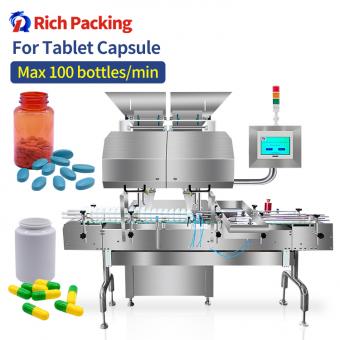
А машина для подсчета жевательных конфет Система должна делать больше, чем просто быстро считать. Она должна отделять мягкие частицы, равномерно их переносить и наполнять бутылки с минимальным повреждением продукта и отклонениями в количестве. Система, разработанная в основном для твердых таблеток, может работать не так же, поскольку продукт ведет себя иначе еще до начала подсчета.
Вот почему а специальная линия для подсчета жевательных конфет Это может иметь смысл по мере увеличения объёма производства. Ручной подсчёт может быть эффективен в очень небольших масштабах, но становится медленным и непоследовательным по мере роста объёма бутылок. Стабильная подача и стабильное падение жидкости в бутылку имеют большее значение, когда каждая упаковка продаётся поштучно.
Для таких поставщиков, как Rich Packing, практический вопрос предельно ясен: сможет ли продукт пройти этапы подачи, подсчета и розлива в бутылки с достаточной стабильностью, чтобы выдержать остальную часть линии, включая укупорку, запечатывание и маркировку? Обычно именно на этом этапе следует оценивать оптимальный маршрут.
Некоторые креатиновые жевательные конфеты могут помочь при мозолях. Лучше спросить, подходит ли конкретный продукт для такого применения.
Блистерные упаковки Каждый элемент имеет свою собственную полость. Это способствует разделению, более аккуратному визуальному оформлению и более структурированной организации розничной торговли. Для некоторых продуктов это является реальным преимуществом. Упаковка выглядит организованной, и элементы остаются разделенными, а не лежат свободно внутри бутылки.
Проблема заключается в соответствии продукта потребностям потребителя. Пластичный материал должен соответствовать размеру и форме ячейки, а также условиям запайки. Если он слишком мягкий, слишком липкий или слишком неоднородный по форме, производство блистерной упаковки становится менее эффективным. Кусочки могут деформироваться, прилипать или неравномерно располагаться в ячейке, что влияет как на производительность линии, так и на конечный внешний вид.
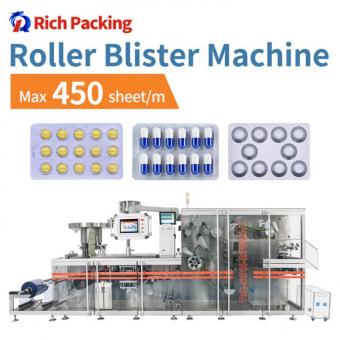
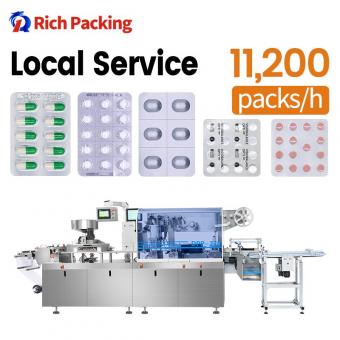
Вот почему а блистерная машина Это возможный путь, но не автоматический. Некоторые продукты лучше подходят для бутылок. Другие могут хорошо работать в блистерной упаковке, если конструкция ячейки, состояние изделия и цель упаковки изначально совпадают.
В первую очередь следует проверить сам продукт. Диапазон размеров, форма, плотность и тактильные ощущения — все это влияет на возможности линии. Образец, выглядящий чистым, может вести себя совершенно иначе при непрерывной подаче.
Второй момент — это конечная цель упаковки. Бутылки и блистеры решают разные задачи. Бутылки универсальны с точки зрения количества штук и легко масштабируются по размерам. Блистеры обеспечивают разделение и более четкое представление. Оба варианта могут быть эффективны, но они не выполняют одну и ту же функцию.
Третий пункт — стабильность линии. Скорость важна, но стабильность количества имеет еще большее значение. Быстрая линия с частыми колебаниями, сбоями подачи или поврежденными кусочками не является по-настоящему стабильной. В случае с мягкими жевательными продуктами этому вопросу уделяется больше внимания, чем многим жестким форматам.
Очистка и переналадка также требуют внимания. Если на поверхности остаются следы или количество маркировки меняется в зависимости от артикула, линия должна оставаться удобной для очистки и регулировки. Это становится особенно важным, когда размер бутылок, формат этикеток или целевое количество маркировки часто меняются.
Последний пункт касается соответствия на последующих этапах. Подсчет — это лишь одна часть процесса. Обычно линия продолжается до укупорки, запечатывания, маркировки и иногда упаковки в коробки. Наилучший выбор — это тот вариант, который работает на протяжении всей последовательности, а не только на первом этапе.
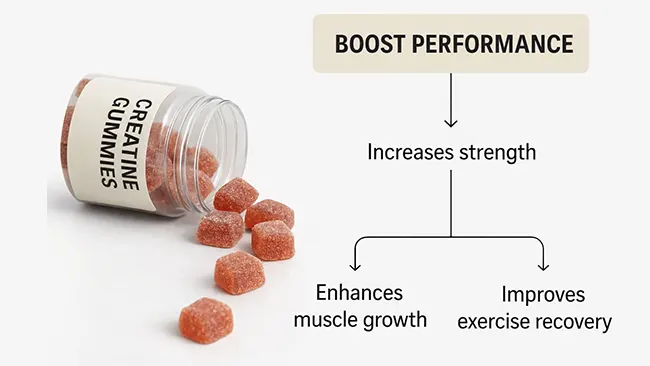
Рост популярности креатиновых жевательных конфет объясняется тем, что они представляют собой знакомый ингредиент пищевой добавки в формате, который легче заметить и который некоторым пользователям проще принимать. Изменения касаются не только внешнего вида. Они влияют на хранение, обращение, подсчет и окончательные решения по упаковке с самого начала.
По сравнению с порошком, капсулами и таблетками, мягкие жевательные таблетки привлекают больше внимания к свойствам продукта, контролю количества и типу упаковки. Упаковка в бутылки остается более распространенным вариантом, в то время как блистерная упаковка может подойти для отдельных продуктов, если ей подходит форма упаковки и способ запечатывания.
Для покупателей оборудования главный момент прост. Когда меняется формат продукта, меняется и логика упаковки. Как только это становится ясно, становится проще выбрать правильный способ подсчета, розлива или блистерной упаковки.
Потому что они облегчают распознавание знакомых ингредиентов, их переноску и, для некоторых пользователей, включение в повседневную жизнь.
Нет. Они более мягкие, сильнее зависят от состояния поверхности и обычно требуют более тщательного контроля во время кормления и подсчета.
Он хорошо подходит для продукции, выпускаемой поштучно, поддерживает гибкие размеры упаковки и соответствует количеству уже проданных жевательных добавок.
Это имеет смысл, когда увеличивается объем производства бутылок, ручной подсчет становится неточным или линии требуется стабильное наполнение перед укупоркой и запечатыванием.
Некоторые подходят. Пригодность зависит от твердости, однородности формы, состояния поверхности и соответствия полости.
Им следует проверить диапазон размеров, однородность формы, липкость, конечный тип упаковки, потребности в очистке и совместимость с последующим оборудованием.
Само по себе это не так. Стабильный подсчет, бережное обращение и последовательная передача обычно важнее, чем просто скорость, указанная в заголовке.

29+ years in pharmaceutical machinery, covering capsule filling, tablet pressing, blister packaging, tablet and capsule counting, cartoning, GMP production, and overseas machine service.

Электронное письмо : manager@richpacking.cn
Building D, No. 226, Beishan Qiaotou Street, Haizhu District, Guangzhou City, Guangdong Province, China


 Поддерживается сеть IPv6